Deck Upgrades That Transform Comfort and Style
Your deck should be more than just a spot for your grill and a couple of chairs. With the right upgrades, it can become the coziest and most stylish part of your home, offering a real extension of your living space. This is especially important in areas with warm summers and mild winters, where you want to enjoy the outdoors comfortably for most of the year—planning a refresh? Smart improvements can change the way your deck looks, feels, and works.
Combining style with practicality often gets the best results. Upgrades like improved lighting, safer railings, and sturdier decking materials not only make daily use easier but also boost curb appeal. For those looking for a complete makeover, options like deck remodeling or a new deck installation can create a space that fits modern outdoor living without wasting space.
This guide dives into the most effective deck upgrades, current design trends, material choices, and safety tips so you can make confident decisions. We’ll also look at local and national trends, including insights from the Houzz outdoor trends research and guidance from the American Wood Council. Whether you're planning a small tweak or a major renovation, these ideas will help you create a deck that looks better and works harder for your family.
Why Deck Upgrades Matter More Than Ever
Comfort is now a daily-use priority.
Decks are no longer just for occasional hangouts. People use them for morning coffee, remote work breaks, family meals, and weekend gatherings, making comfort features more important than ever. A deck without shade, enough seating, or safe stairs can quickly become underused, even if it looks nice from the yard.
Upgrades make it easier to enjoy the space without constant maintenance or awkward layout challenges. A functional deck also supports better entertaining, as guests can smoothly transition between indoor and outdoor areas. If your current setup feels cramped or outdated, strategic design through outdoor living spaces planning can make the area feel larger without changing your entire property.
Style influences property value and first impressions
Deck style plays a huge role in how people see your home. Clean lines, coordinated colors, and updated materials show care and quality. This matters for resale, but it also matters for daily satisfaction because you see the space every time you open the back door.
According to remodeling market reports, exterior upgrades often offer a strong return on investment because buyers value usable outdoor space. A modern, well-maintained deck can make your home stand out in a competitive market. Even if you're not planning to sell soon, stylish upgrades can make the property feel more complete.
2026 Deck Design Trends Homeowners Are Choosing
Mixed materials create a custom look.
A major trend for 2026 is the use of mixed materials. Combining wood with composite decking, metal railings, stone accents, or tile details gives a deck a more custom and architectural look. It also lets you balance durability and visual warmth instead of sticking to one material.
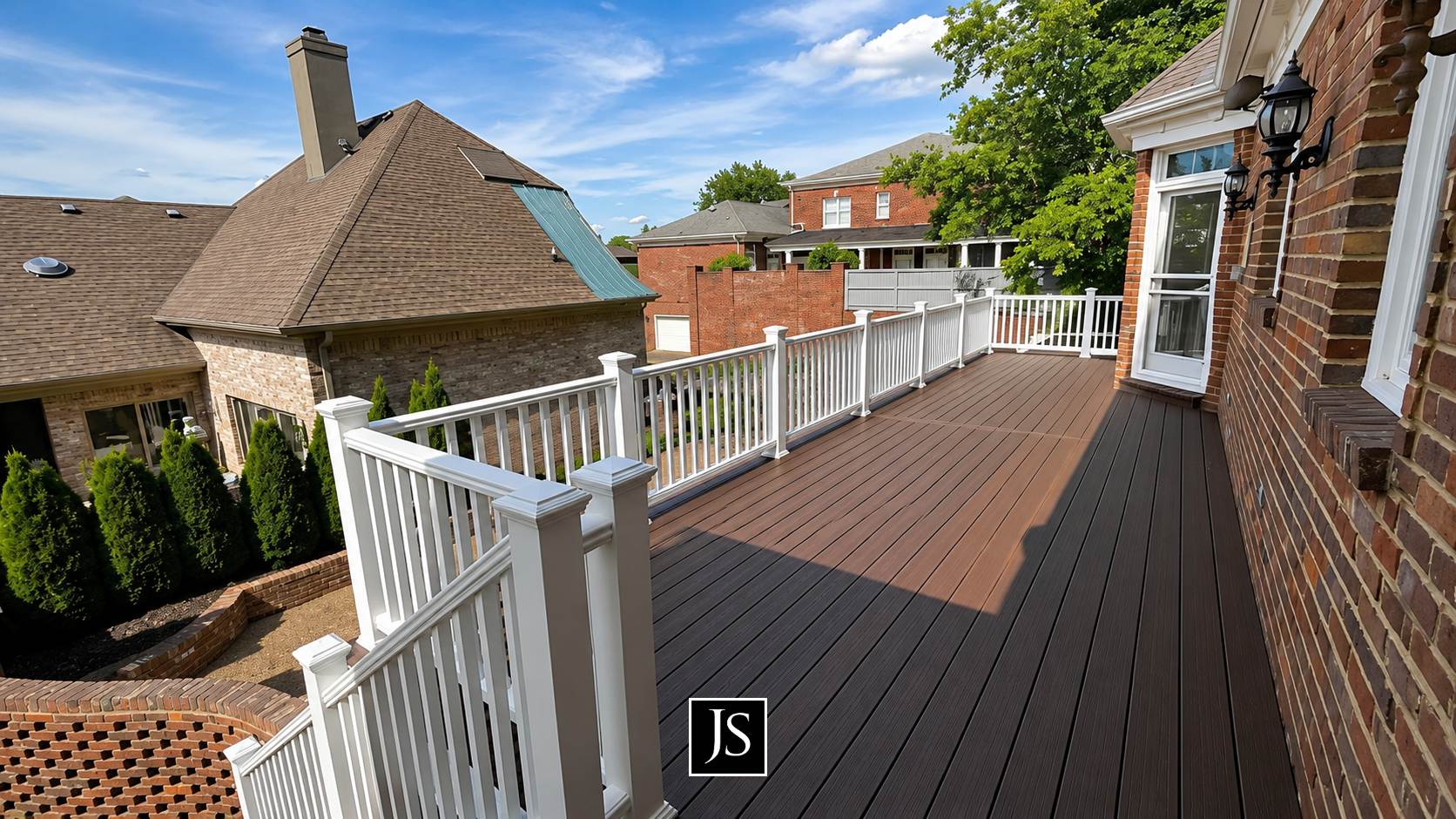
Think about a composite base with wood-toned trim for a natural look with less upkeep, while metal railings add contrast and a cleaner profile. Designers use these combos to create distinct zones for dining, relaxing, and entertaining. If you like modern materials but still want a classic feel, composite decks are a strong foundation for a mixed-material project.
Neutral tones and minimalist details remain popular
Neutral colors are still a favorite because they suit a variety of home styles and landscaping choices. Earth tones, soft browns, warm grays, and muted taupes help the deck blend into the natural surroundings without looking dull. They also pair well with furniture, planters, and seasonal décor.
Minimalist design is just as important. Hidden fasteners, flush stair treads, and slim rail profiles create a clean and uncluttered look. These choices give the deck a more refined feel while reducing visual clutter. The result is a space that feels calm, modern, and easy to personalize.
Low-maintenance decking is winning over busy households
Composite and PVC decking are becoming more popular because they require less sanding, staining, and sealing than traditional wood. For many, that means more time enjoying the deck and less time maintaining it. In practice, low-maintenance materials are especially useful for families who entertain often or don't want to plan seasonal refinishing projects.
The rise in low-maintenance products shows a growing trend toward convenience and longevity. If you want a deck that looks polished year after year, composite options are a smart investment. For those comparing options, TREX decks and railings offer a modern look with less upkeep.
Material Upgrades That Deliver the Biggest Impact
Choose materials that fit the local climate.
Materials greatly affect how well a deck performs over time. In areas with humidity, heat, and temperature swings, you need materials that resist warping, rotting, fading, and loose fasteners. Wood is still a great choice, but it needs more regular care than many expect.
Composite decking and treated lumber each have advantages depending on your goals, budget, and style preferences. Pressure-treated wood remains a practical, cost-conscious option for those who want a traditional look and easier repairs. If you're weighing budget and durability together, pressure-treated decks are a strong value when installed and maintained correctly.
Railings should be both safe and attractive.
Deck railings do more than meet code. They shape the visual edge of the deck, influence sightlines, and improve the feeling of security for children, guests, and older adults. Old railings can look dated, but they can also become loose, wobbly, or hard to maintain over time.
Upgrading to sturdier posts, cleaner balusters, or contemporary cable-style systems can instantly make a deck look more refined. Safety should always come first, which is why inspection and repair are so important. If your current railings are unstable or worn, a professional railing replacement and repair service can improve both appearance and everyday confidence.
Fasteners, framing, and hidden structure matter too
Many focus on visible features, but the hidden structure determines long-term performance. Proper framing, corrosion-resistant hardware, and code-compliant connections help ensure the deck remains safe through years of use. Even a beautiful deck can become a problem if the underlying structure is weak or poorly built.
That's why professional installation is worth considering for more than cosmetic reasons. A well-built structure supports heavier furniture, safer foot traffic, and better resistance to weather-related wear. If your project involves major structural changes, a full deck replacement and remodeling may be the most reliable way to reset the deck from the ground up.
Comfort Features That Make Your Deck More Usable
Add shade for all-day enjoyment.
Shade is one of the most underrated comfort upgrades for outdoor living. Without it, a deck can become too hot to use during the brightest parts of the day. Adding a pergola, roof extension, or well-placed canopy makes the area much more flexible and enjoyable.
Shade also helps protect furniture, flooring, and finishes from intense sun exposure. It can reduce glare and make reading, dining, or hosting more pleasant. For a more complete outdoor retreat, gazebo and pergola construction can create an inviting focal point that adds both beauty and function.
Improve seating flow and traffic patterns.
Decks are more comfortable when people can move easily through them. That means arranging furniture, steps, planters, and accessories so the deck doesn't feel crowded. Good traffic flow is especially important if you entertain often or use the deck as an extension of the kitchen or family room.
Built-in benches, wider walkways, and dedicated dining areas can solve layout problems that moveable furniture often creates. These improvements help the deck feel intentional instead of improvised. They also make it easier to keep the space tidy because everything has a natural place.
Upgrade lighting for safety and atmosphere
Lighting is one of the simplest ways to extend deck use into the evening. Stair lights, post cap lights, and soft ambient fixtures improve visibility while creating a more welcoming mood. Thoughtful lighting is especially important for steps, transitions, and entry points where accidents are most likely.
The U.S. Consumer Product Safety Commission recommends clear pathways and hazard reduction around areas where people walk or gather. Proper lighting supports that goal while also making the deck look more finished after sunset. It's a small upgrade with a big effect on daily usefulness.
Safety and Code Considerations You Should Not Ignore
Use licensed professionals who understand local requirements
Any serious deck upgrade should be evaluated through the lens of safety and code compliance. Rail heights, stair dimensions, load-bearing structures, guard spacing, and ledger connections all need to be done correctly. A deck that looks great but fails inspection can become a costly liability later.
Working with licensed professionals ensures the project meets current standards and local expectations. This is especially important when replacing older structures that may no longer align with modern code requirements. For a safer, more reliable project from the start, professional deck installation gives you a stronger foundation than quick cosmetic fixes alone.
Non-slip surfaces reduce everyday risk.
Slip resistance matters on decks because rain, dew, and pool traffic can make the surface slick. Textured composite boards, carefully selected finishes, and proper stair tread design all improve traction. This matters for families with children, guests carrying food, and anyone who uses the deck year-round.
Maintenance also affects safety. Leaves, mildew, and dirt can increase slipperiness if not cleaned away regularly. Choosing materials and finishes that are easier to maintain reduces the burden over time while helping the deck remain safe and attractive.
Inspect the structure before upgrading the surface
If a deck is older, inspect the structure before committing to cosmetic improvements. Hidden damage in joists, posts, or connections can compromise the entire project. Repairing those issues early prevents the mistake of placing new materials over a failing base.
People often find that what looked like a surface problem is actually a structural one. That's why a professional assessment is so valuable before investing in new finishes or accessories. It's usually cheaper to address issues once than to redo the work later.
How to Plan an Upgrade That Fits Your Budget
Prioritize the improvements with the highest return
Not every upgrade needs to happen at once. Start with features that improve safety, longevity, and everyday use, then move to style details after the essentials are complete. Railing replacement, material upgrades, and lighting usually provide more value than purely decorative additions.
A smart budget plan considers future maintenance costs. A lower upfront price can be misleading if the material requires frequent refinishing or repair. Choosing a system that saves time and upkeep over many years often delivers better long-term value.
Compare repair, replacement, and partial redesign.
Some decks only need targeted improvements, while others are better candidates for a more complete transformation. A partial redesign may be enough if the structure is sound, but the layout feels awkward. On the other hand, a full replacement may be better if the framing is outdated or the deck suffers recurring damage.
To understand your options, compare the current condition of the deck against your long-term goals. If your vision includes new traffic patterns, upgraded materials, and a cohesive entertainment space, a broader redesign may actually cost less than piecemeal updates over time. Planning should come before purchasing materials.
Consider ROI and lifestyle value together.
Return on investment is important, but lifestyle return matters too. A deck that's easier to use, safer for guests, and more attractive for daily living can improve your quality of life even if you never sell the home. That kind of value is harder to measure but often more meaningful.
Research from remodeling cost-versus-value studies consistently shows that exterior projects are among the more rewarding home improvements. The reason is simple: outdoor space adds functional square footage in a way buyers and homeowners both appreciate. If your upgrade plan improves both beauty and usability, you're likely making a smart financial and practical choice.
Real-World Examples of Deck Upgrades That Work
Case study: A simple refresh with major impact
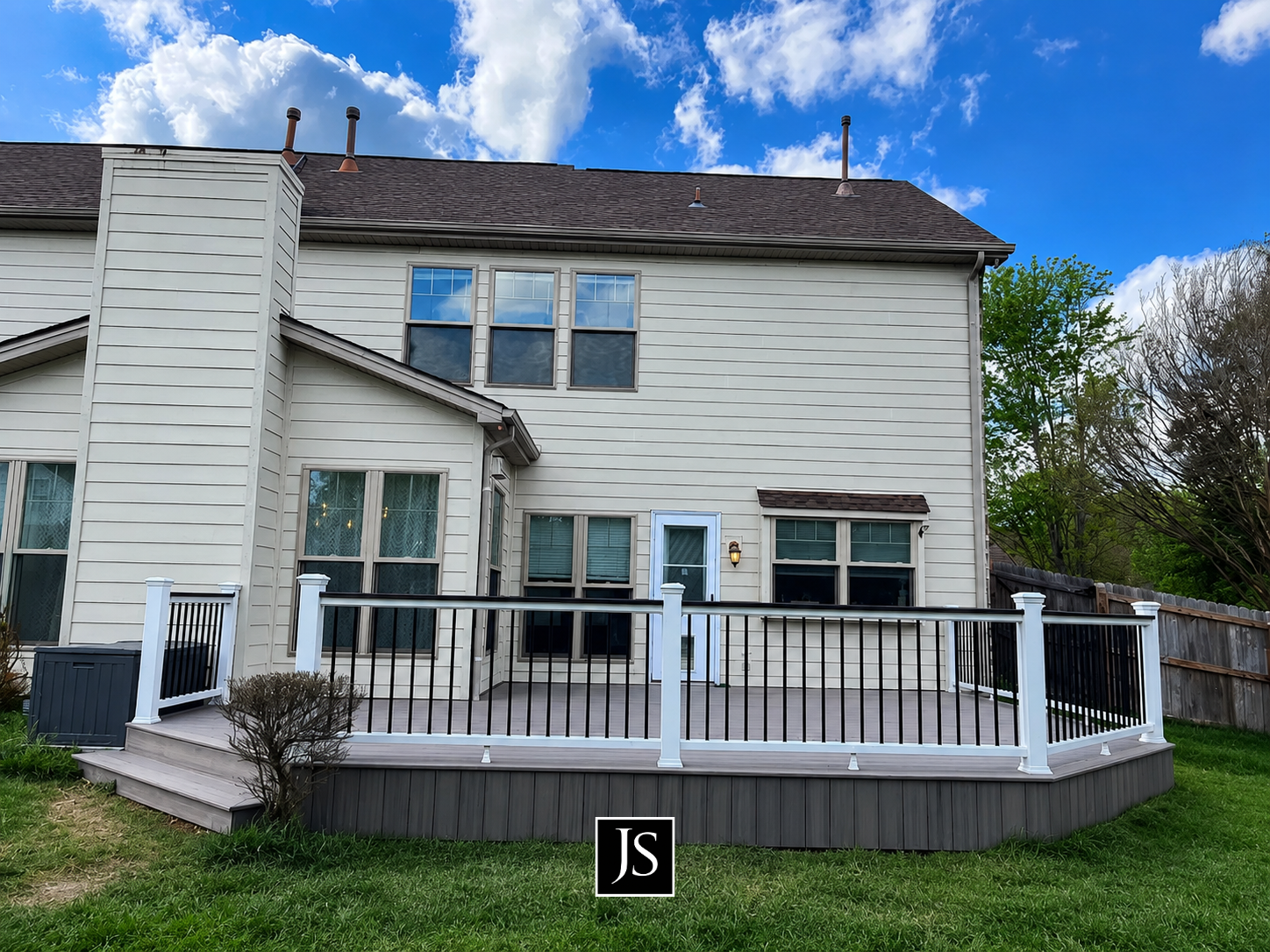
One homeowner started with a weathered wood deck that was structurally sound but visually tired. Instead of replacing everything, they upgraded the railing, switched to a cleaner neutral finish, and added modern lighting around the stairs. The result was a space that felt more current, safer at night, and far more enjoyable for family dinners.
This type of project shows that you don't always need a full rebuild to see meaningful change. Strategic improvements can completely alter the way a deck feels. For homeowners with good bones but outdated details, selective updates can be a very efficient path forward.
Case study: A low-maintenance outdoor retreat
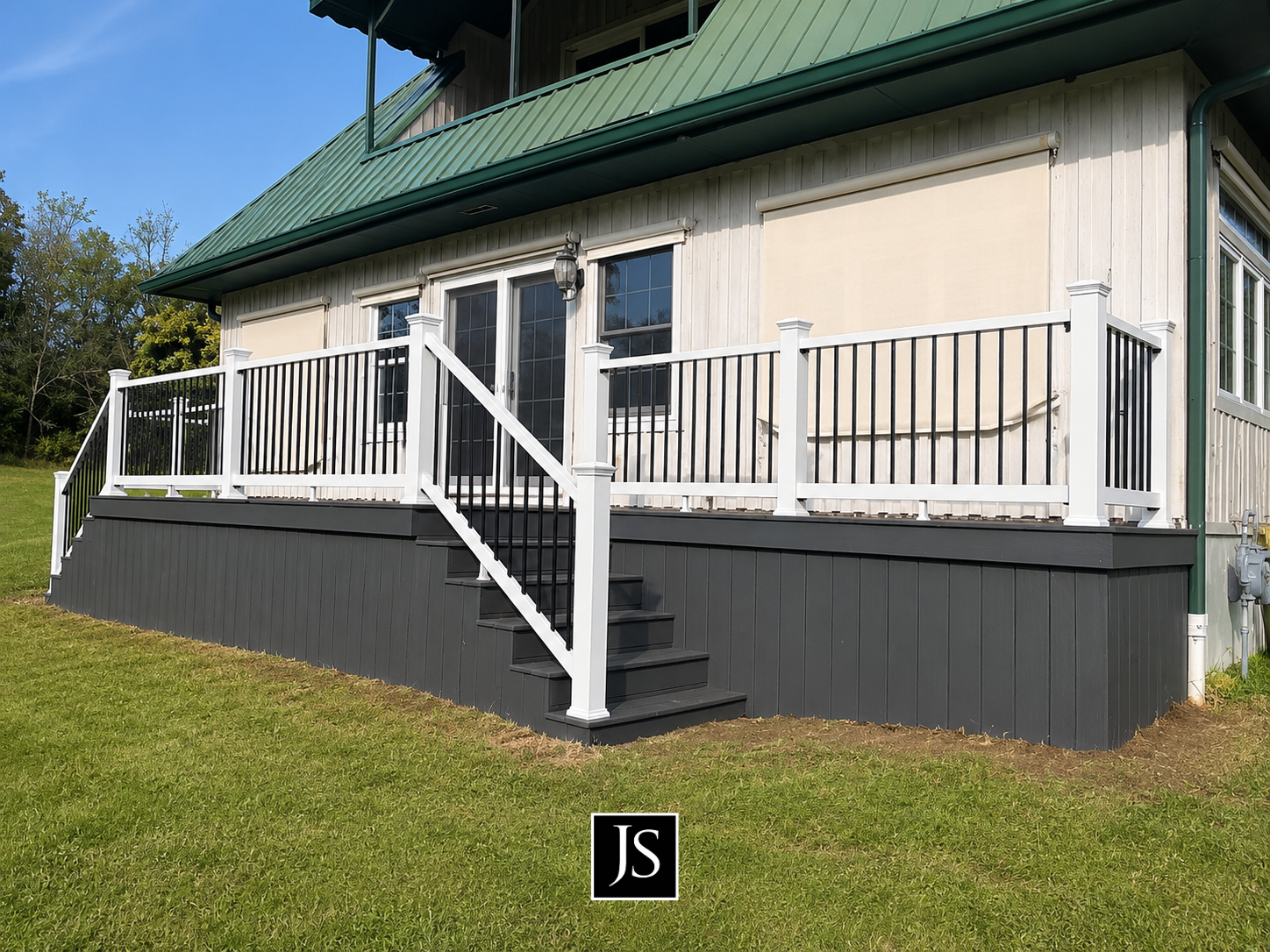
Another homeowner wanted a deck that would not demand seasonal sanding and staining. By choosing composite decking, improving the layout, and adding a covered seating zone, they created an outdoor room that stayed attractive with far less work. The upgrade also made the property more appealing for entertaining and resale.
This approach reflects a larger trend toward durability and convenience. It also shows how material choice affects the way people actually use a deck. When maintenance drops, enjoyment usually rises.
Case study: Turning a basic platform into a full outdoor destination
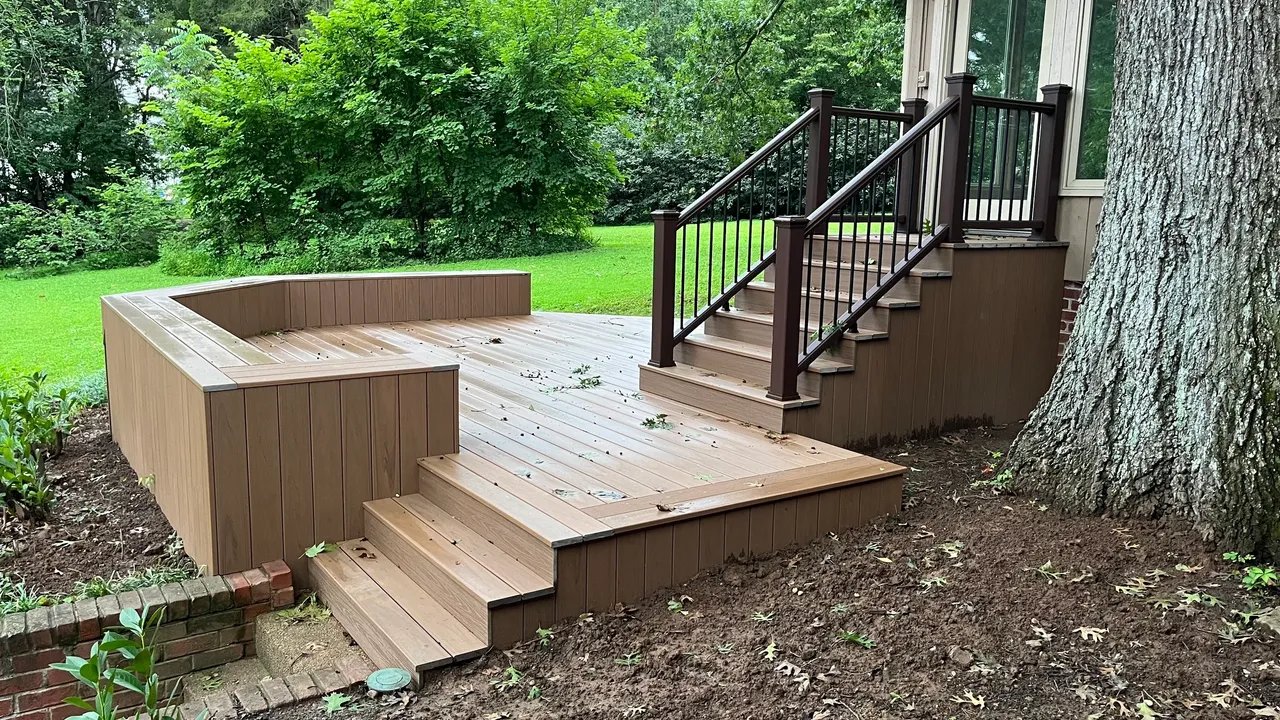
In some projects, the deck is only the beginning. A plain platform can be transformed into a multifunctional destination by adding built-in seating, shade, and a more integrated connection to the backyard. That kind of transformation often works best when the deck is part of a larger outdoor plan rather than a stand-alone feature.
For families who want to entertain more often, expand dining space, or create a more polished backyard, combining deck work with broader exterior improvements can be especially effective. That's where services like outdoor living spaces become useful, because they help connect the deck to the rest of the property in a logical way.
Frequently Asked Questions About Deck Upgrades
What deck upgrade makes the biggest difference?
A combination of safety, layout, and material improvements often makes the biggest difference. Replacing worn railings, updating the decking surface, and adding proper lighting can dramatically improve both comfort and appearance. If the structure is aging, addressing hidden issues first will give you better long-term results.
How do I choose between wood and composite?
Choose based on maintenance tolerance, style preference, and budget. Wood offers a classic appearance and a lower upfront cost, but it needs more ongoing care. Composite typically costs more initially, but it resists fading, rot, and frequent refinishing, which can make it more economical over time.
Are deck upgrades worth it for resale?
Yes, especially when the upgrades improve usability and curb appeal. Buyers often appreciate outdoor spaces that feel ready for immediate use. A well-designed deck can help your home stand out, and quality materials can signal that the property has been cared for properly.
How often should a deck be inspected?
Annual inspections are a smart habit, and older decks may need more frequent attention. Look for loose railings, cracked boards, rusted fasteners, soft spots, and signs of water damage. If you notice movement or unusual wear, a professional inspection is the safest next step.
Conclusion: Small Changes, Big Results
Deck upgrades don't have to be dramatic to make a major difference. The most successful projects usually combine comfort, safety, and visual harmony so the space feels better every time you use it. Whether you're replacing railings, changing materials, adding shade, or redesigning the layout, each improvement should support the way you actually live.
If your current deck is underperforming, now is the time to evaluate what is worth repairing, what should be replaced, and what could be reimagined completely. From low-maintenance composite solutions to full deck remodeling, the right approach can turn a basic structure into a polished outdoor retreat. For inspiration, you can also browse the project gallery to see how design choices come together in real spaces.
Ready to improve comfort and style with upgrades that truly last? Contact JS Decking & Renovation to discuss your goals, review your options, and build a deck that feels just as good as it looks. A smarter outdoor space is only one project away.