How Weather Conditions Affect the Lifespan of Your Deck
Your deck is one of the most exposed parts of your home, meaning the weather directly impacts how long it lasts. Rain, humidity, sun, wind, snow, and temperature swings all play a part in wearing materials down over time. Knowing how each weather condition affects your deck allows you to make smarter choices about maintenance and repair. By pairing routine care with durable materials like composite decking or opting for a full upgrade through deck remodeling, you can extend your deck’s life significantly.
This guide covers common weather threats, signs of damage, and ways to protect your investment. We'll also touch on trends, like low-maintenance materials and integrated outdoor living spaces, to help you plan a deck that stands up to the climate. For more on modern backyard design, check out our outdoor living spaces solutions to see how decks can work with pergolas, covered patios, and more.
Dealing with moisture and UV exposure is critical, as these are major factors that speed up material degradation. Weatherproofing helps with safety and longevity, not just looks. Especially for exposed decks, using the right materials and maintenance schedule is vital. For more on climate and weather patterns in the area, the National Weather Service is a handy resource for seasonal trends and storm risks.
Why Weather Matters So Much for Deck Lifespan
Outdoor structures take constant abuse.
A deck is built to live outside, but that doesn't mean it's immune to the elements. Daily sunlight dries surfaces, moisture sneaks into seams, and temperature changes cause boards and fasteners to expand and contract. Over time, these small changes lead to bigger problems like cracking, warping, loose railings, and structural wear. Even high-quality framing and finishes need regular attention to stay safe.
The lifespan of a deck depends on both material and environment. A well-maintained deck can last over 20 years, but this changes with repeated heavy rain, intense sun, high humidity, or freeze-thaw cycles. In areas with dramatic seasonal swings, even small maintenance gaps can shorten the deck’s life. That's why many homeowners consider upgrades like pressure-treated decks for budget-friendly durability or Trex decks and railings for low-maintenance performance.
Climate affects different materials in different ways.
Wood, composite, and PVC each react differently to weather. Traditional wood absorbs moisture and may rot or split if not sealed correctly. Composite decking resists moisture, UV rays, and temperature fluctuations better, making it popular for those seeking less upkeep and better long-term performance. If you're comparing options for a new build, our new deck installation service can help you plan a deck that matches your climate and maintenance preferences.
Even durable materials need careful installation. Ventilation, drainage, spacing, and fastening details all affect how well a deck handles seasonal weather. A deck built without these considerations may fail faster than expected, even if the material itself is high quality. That's why local expertise matters, especially in areas with humid summers and occasional winter freezes.
The Biggest Weather Threats to Your Deck
Rain and moisture infiltration
Rain is one of the most damaging factors for wooden decks because it introduces moisture into boards, railings, posts, and hidden framing. If water lingers on the surface or gets trapped beneath boards, it can lead to mold, mildew, swelling, and rot. Fasteners can also corrode when they remain damp for long periods, weakening the deck’s structural connections. Over time, this can create soft spots, discoloration, or dangerous instability.
Proper drainage is essential. Decks should shed water quickly, and the underside should have enough airflow to dry after a storm. If you notice standing water, clogged gaps between boards, or dark staining, those are early warning signs of moisture problems. The American Wood Council provides guidance on water management and construction details as key factors in the durability of exterior wood structures, especially for decks exposed to frequent rain or humidity. You can learn more from the American Wood Council.
Heat and intense UV exposure
Sun exposure may not seem as dramatic as storm damage, but it consistently causes deck wear. UV rays break down wood fibers, fade color, and dry out protective finishes. In composite materials, UV exposure can still cause some fading over time, though modern products are designed to resist it better than older options. The hotter and more direct the sun exposure, the more important it is to use coatings, shade structures, or UV-resistant materials.
Excessive heat also changes how boards behave. Wood can become brittle, and some materials may expand enough to shift fasteners or create small gaps. This is one reason homeowners increasingly add pergolas, covered areas, and shade structures to their deck projects. If you're thinking about that kind of upgrade, explore our gazebo and pergola construction options to add comfort while reducing direct sun exposure.
Freeze-thaw cycles and winter stress
In colder months, water that seeps into tiny cracks can freeze and expand. When that happens repeatedly, it pushes material apart and makes small cracks worse. Freeze-thaw cycles attack both the surface and internal structure of the deck. Boards may cup, split, or loosen, and railings can become unstable if moisture affects the posts and connectors.
Snow and ice add weight and create a slippery surface, increasing safety risks for everyone using the deck. Homeowners should avoid using harsh de-icers unless approved for their decking material, as some products can stain or damage finishes. Routine winter inspection is essential, especially after major storms, to ensure no hidden damage has developed.
Humidity, mold, and mildew growth
High humidity is a major concern in warmer climates because it keeps surfaces damp for longer periods. When a deck stays moist, mold and mildew can grow on the boards, railings, and underside of the structure. This affects more than appearance; it can create slippery surfaces and contribute to wood decay. Humid regions often require more frequent cleaning and sealing to maintain decks in good condition.
In places like Franklin, Tennessee, humid subtropical weather can accelerate these issues, especially on decks shaded by trees or with poor drainage. Composite decking is often a strong choice in these conditions as it resists moisture-related problems better than many wood alternatives. Still, even composite decks benefit from regular rinsing and inspection after long stretches of damp weather.
How to Tell Weather Is Damaging Your Deck
Visible surface damage
The first signs of weather damage are often easy to spot if you know what to look for. Cracked planks, splintering boards, faded color, and peeling stain all suggest too much sun or moisture exposure. Warped boards and cupping are also common when water enters the wood and dries unevenly. These issues may start small, but they can spread if ignored.
If the deck feels soft in certain areas or produces a hollow sound when walked on, that can indicate hidden deterioration below the surface. The earlier you catch these issues, the easier and more affordable they are to fix. Many homeowners schedule an annual inspection in spring to address any damage before heavy summer use begins.
Structural warning signs
Weather damage is not limited to visible boards. Loose railings, wobbly stairs, rusted connectors, sagging joists, and shifting support posts can all indicate deeper structural concerns. These signs are crucial because they affect safety, not just appearance. If your deck moves when people walk across it, or if the railing gives more than it should, it's time to call a professional.
For issues involving railings and support systems, our railing replacement and repair service can help restore stability and peace of mind. If the deck has widespread damage, a full replacement may be more cost-effective than trying to patch multiple failures. In those cases, a design-focused update through deck remodeling can improve both safety and appearance.
Fastener and hardware corrosion
Even if the surface looks fine, the hardware underneath can tell a different story. Screws, nails, brackets, and joist hangers are exposed to humidity and water runoff, and rust or corrosion can weaken them over time. Once hardware begins to fail, boards may loosen, squeak, or shift under pressure. That creates both a maintenance issue and a safety concern.
Regular checks should include looking underneath the deck, if accessible, and around connection points where moisture tends to collect. Professional inspections are especially helpful because trained contractors know how to spot subtle issues before they become expensive repairs. For guidance on common deck safety concerns, the U.S. Consumer Product Safety Commission offers consumer safety information to reinforce the importance of structural soundness and routine evaluation.
Best Materials for Weather Resistance
Composite decking materials
The decking industry is seeing a big shift toward composite materials. Composite decking resists moisture, fading, and many of the problems that shorten the life of traditional wood. It typically requires less sealing, staining, and routine repair, making it practical for busy homeowners who want a cleaner, longer-lasting outdoor space. Brands like Trex, TimberTech, Azek, and Fiberon have set the standard for this category.
Composite decking is especially useful in climates with recurring humidity and rain. It reduces the risk of mold and rot while maintaining a polished look for years. That’s why many homeowners seeking a durable, modern finish choose our composite decks service as part of a long-term investment strategy. For those who want the look of wood without the same level of maintenance, this is often the best option.
Pressure-treated wood
Pressure-treated wood is still a practical choice for homeowners who want a lower upfront cost. It's treated to resist rot and insect damage but still needs regular sealing, cleaning, and inspection to perform well in weather-exposed conditions. Without maintenance, even pressure-treated boards can fail sooner than expected, particularly in damp or shaded environments.
This option works well when homeowners understand its maintenance demands. It can be a smart short- to medium-term solution, especially if the budget is tight or the deck design may change later. If you want a project that balances affordability and durability, our pressure-treated decks service can provide a solid starting point with maintenance guidance tailored to your home.
Protective finishes and coatings
No matter what material you choose, sealers, stains, and protective coatings are key to weather resistance. These products block moisture, reduce UV damage, and slow fading. However, they must be reapplied on a schedule that matches the material and local weather conditions. A coating that worked well two years ago may no longer provide enough protection today.
Choosing the right finish depends on the deck’s material, color, exposure, and age. A professional application ensures the product is applied evenly and at the correct thickness. If you’re unsure which finish is best, a contractor can evaluate your deck and recommend a maintenance plan that fits how you use the space.
Maintenance Strategies That Extend Deck Life
Inspect once a year, at a minimum.
An annual inspection is one of the simplest and most effective ways to extend a deck’s life. Spring is often the best time since winter damage becomes easier to spot after the cold season ends. During the inspection, look for cracked boards, soft spots, rusted hardware, loose railings, drainage problems, and any signs of mold or mildew. The goal is to identify small issues before they become major repairs.
Homeowners who use their deck frequently may benefit from a second inspection in the fall. This is especially useful in areas with heavy rainfall or seasonal temperature changes. A quick walk-through twice a year can catch problems early and reduce long-term repair costs.
Keep the surface clean and dry.
Debris like leaves, dirt, and pollen can trap moisture and encourage decay. Sweeping the deck regularly and washing it with a material-safe cleaner keeps the surface dry and healthy. Cleaning also gives you a chance to notice issues hidden under dirt or buildup. In humid climates, this routine can make a noticeable difference in the appearance and lifespan of the deck.
If you use a pressure washer, be careful not to damage the surface or force water into seams. A gentle wash is usually better than aggressive cleaning, especially on older wood. Proper maintenance also supports the performance of any finish or stain applied.
Seal, stain, and protect at the right time.
Weatherproofing is most effective when done before the deck shows major signs of failure. Staining and sealing protect wood from absorbing too much water and reduce sun damage. Timing matters because a product applied to a dirty or damp surface may not bond properly. That’s why a clean, dry deck is essential before treatment begins.
Professional maintenance packages can simplify this process and ensure the deck is cared for on the right schedule. If your deck already shows serious wear, a service like deck remodeling may be the better long-term choice, especially when multiple components are aging at once. For those who want a safer, more attractive result, maintenance should be viewed as an investment, not a chore.
Design Choices That Reduce Weather Damage
Built-in shade and coverage
Adding shade is one of the smartest ways to reduce weather exposure. Pergolas, covered sections, and screened spaces can significantly reduce direct sun, rain exposure, and heat buildup. These features improve comfort and protect the deck surface, slowing deterioration. A well-designed shade structure can extend the usable season and reduce how often the deck needs intensive care.
This is why integrated outdoor living spaces are becoming more popular. Instead of treating the deck as a standalone platform, homeowners are combining it with broader outdoor features that create both comfort and protection. Our outdoor living spaces service reflects that trend by helping homeowners build a more complete and weather-smart backyard environment.
Proper drainage and ventilation
Drainage and airflow are crucial for a long-lasting deck. Water should move away from the structure quickly, and air should circulate beneath the deck so moisture doesn't remain trapped. These details are easy to overlook during planning but are vital for preventing rot, mildew, and hardware failure. Even the best materials can underperform if installed without adequate drying space.
When planning a new deck, think about slope, spacing, and how nearby landscaping might affect water flow. A deck in a low spot or near heavy runoff will need more attention over time. Good design can reduce maintenance and make the deck more resilient year-round.
Material and layout choices that age well
Modern deck design increasingly focuses on durability as much as style. Wider overhangs, hidden fasteners, and higher-quality railing systems improve both the look and lifespan of the structure. Many homeowners also prefer a clean, low-maintenance aesthetic that avoids complicated details where water can collect. This is one reason composite products are trending in new builds and remodels.
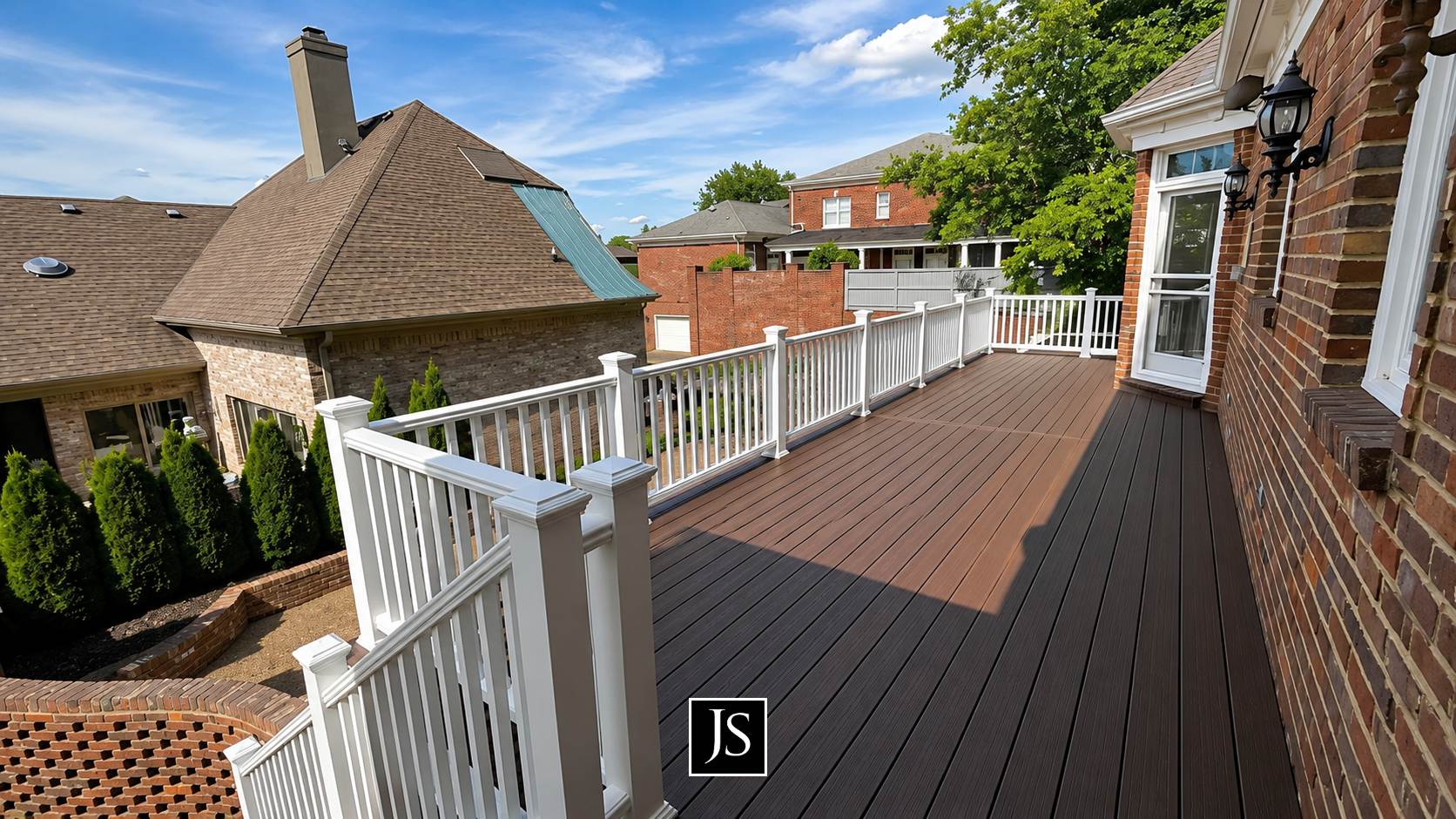
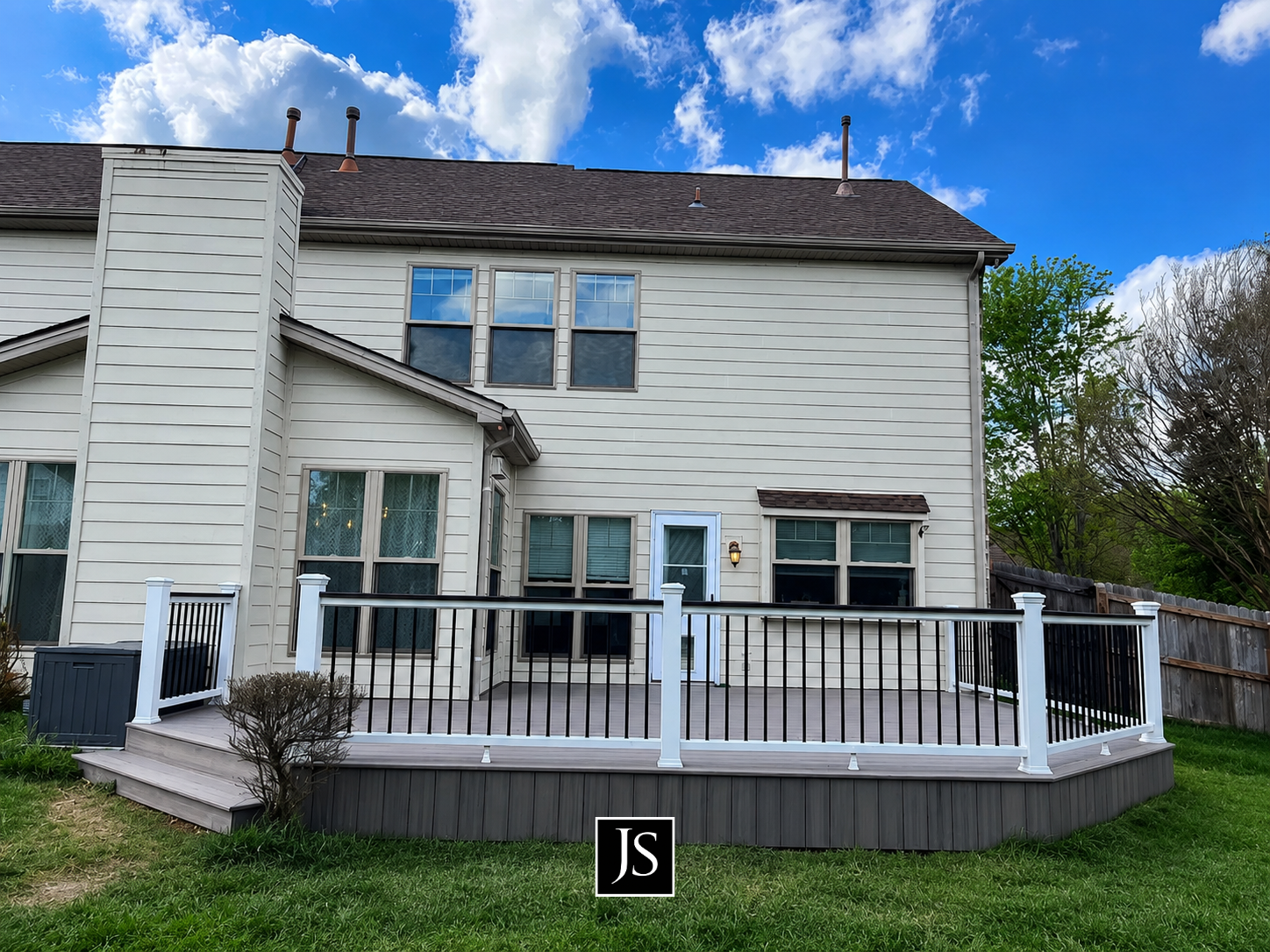
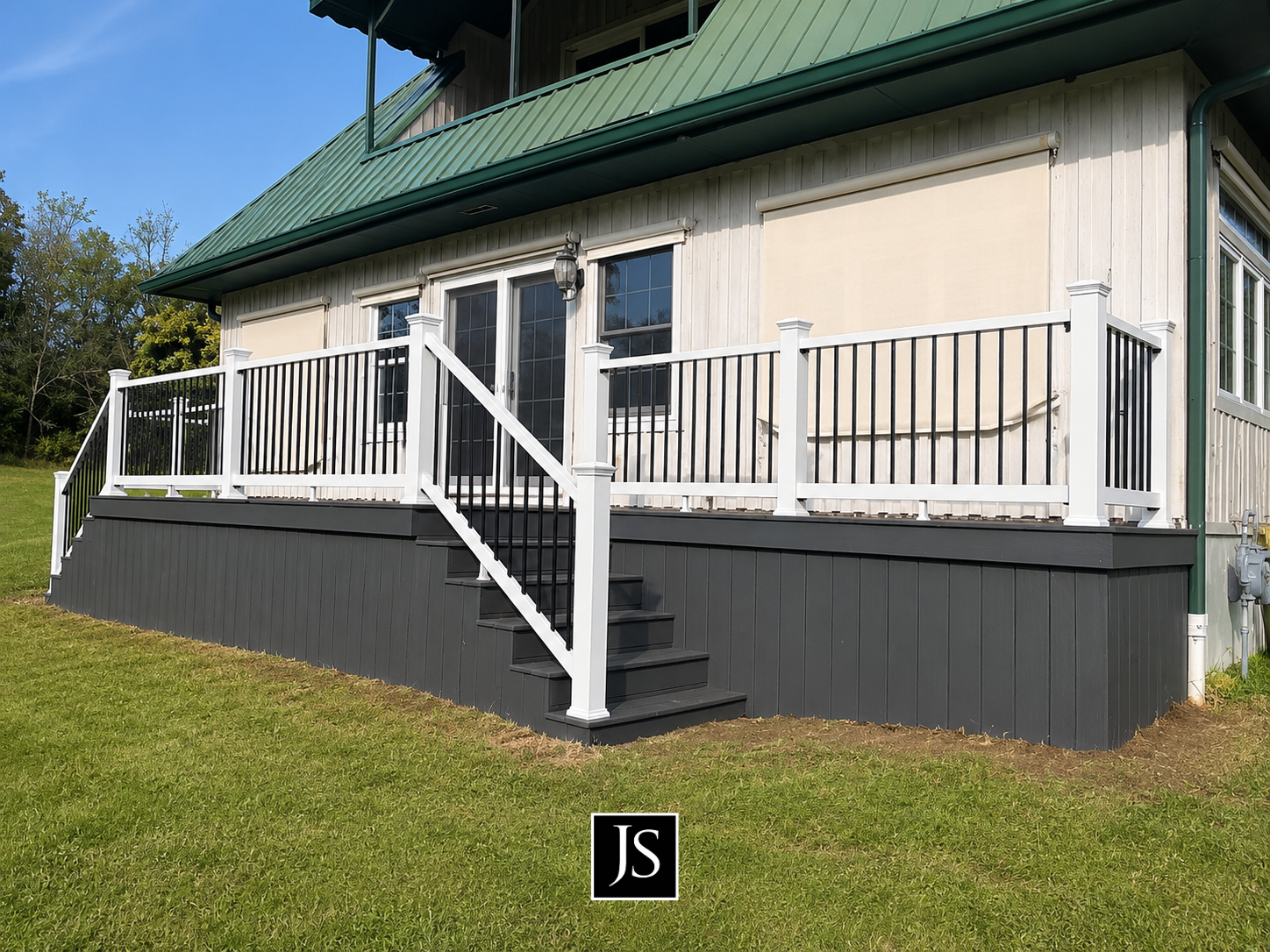
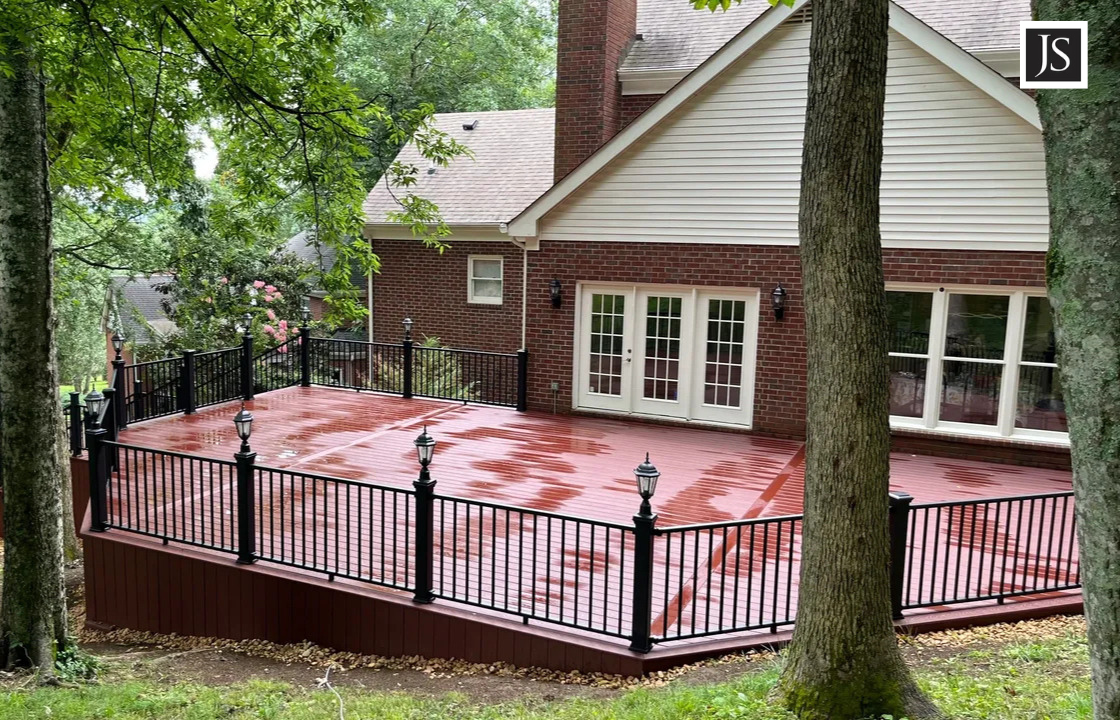
Sometimes, the best weatherproofing solution is to rethink the entire layout. If your current deck is aging poorly or doesn't fit your lifestyle, a custom build may solve multiple issues at once. You can also browse our gallery for examples of completed projects that show how design and durability can work together.
Local Climate Considerations and Real-World Examples
Humid subtropical weather and wood decay
In Middle Tennessee, weather patterns can be especially hard on exterior wood. Hot summers, seasonal storms, and persistent humidity create ideal conditions for mold and moisture-related deterioration. This doesn't mean wood decks are a bad choice, but maintenance needs to be more disciplined. Homeowners who ignore early warning signs often face larger repairs later.
One real-world example is the difference between a shaded backyard deck and one with open airflow. The shaded deck may stay damp longer after rain and develop mildew more quickly, while the open deck dries faster and experiences less surface decay. These differences show why local expertise matters when choosing materials and planning upgrades.
Composite decks in challenging conditions
Composite decking often performs better in humid climates because it resists rot and moisture absorption. That makes it a strong option for homeowners who want a longer-lasting, lower-maintenance surface in weather-sensitive areas. Although the upfront cost may be higher than that of pressure-treated wood, the reduced maintenance and improved lifespan make it a smart long-term decision. Many clients find it a worthwhile tradeoff when planning for future resale value or easier ownership.
If you are comparing products, working with a contractor who understands material performance is important. Industry research consistently shows that proper material selection and installation are just as important as the product itself. The Natural Resources Defense Council also notes that sustainable building choices can reduce long-term replacement cycles and waste, supporting the trend toward durable, low-maintenance outdoor materials.
Outdoor living upgrades that add protection
Many homeowners are now thinking beyond the deck alone and designing full outdoor living spaces that handle local weather better. Covered dining areas, screened rooms, pergolas, and pavilions protect both people and materials from harsh sun and rain. These additions can also make the deck usable for more months of the year, increasing the value of the space.
If your current deck is aging, a combined renovation may offer more value than isolated repairs. A well-planned upgrade can address structural concerns, improve appearance, and create better weather protection in one project. This is especially useful for families wanting a safer, more attractive space without constant patchwork maintenance.
When Repair Is Enough and When Replacement Makes More Sense
Repair makes sense when damage is limited.
Localized problems like a few warped boards, a loose railing section, or a damaged stair tread can often be repaired without replacing the whole structure. This is usually the best choice when the framing is still sound, and the deck is otherwise in good condition. Timely repairs can restore safety and extend the lifespan of the deck while keeping costs manageable.
Small repairs also buy time. They let homeowners continue using the space while planning for future upgrades rather than facing a rushed replacement. If you suspect a limited issue, a professional evaluation is usually the safest way to determine whether repair is truly enough.
Replacement is better when damage is widespread.
If the deck has multiple soft spots, widespread rot, major structural movement, or corroded connections throughout the frame, replacement may be the wiser investment. Replacing an aging deck allows you to correct hidden issues, improve code compliance, and choose better materials for the future. In many cases, a new build also creates an opportunity to improve the layout and add weather-smart features.
For homeowners ready for a complete refresh, our new deck installation service can help you create a safer, longer-lasting structure from the ground up. When a deck is beyond simple repair, investing in a proper rebuild reduces future headaches and improves the overall enjoyment of the home.
FAQ: Common Questions About Weather and Deck Lifespan
How often should I inspect my deck?
At a minimum, inspect your deck once a year, ideally in the spring. If your area has harsh winters, heavy rain, or high humidity, a second inspection in the fall is a good idea. You should also check the deck after major storms or if you notice new movement, stains, or soft areas.
Can I prevent weather damage completely?
No deck is completely immune to weather, but you can reduce the impact significantly. Durable materials, proper installation, routine cleaning, sealing, and timely repairs all help extend lifespan. Adding shade and improving drainage also make a major difference in how a deck holds up over time.
What is the biggest sign my deck needs repair?
Soft, spongy, or rotting boards are among the most serious warning signs. Loose railings, sagging sections, or rusted hardware should also be treated as priority issues. If you are unsure, a professional inspection can help you decide whether repair or replacement is the safer option.
Protect Your Deck Before Weather Takes Its Toll
The weather will always affect your deck, but it doesn't have to control its lifespan. With smart material choices, annual inspections, proper drainage, and timely maintenance, you can keep your deck safer, stronger, and more attractive for years. Whether you need small repairs, a weather-resistant upgrade, or a complete redesign, the key is to act before the damage spreads. If you're ready to improve the durability of your outdoor space, explore our services, review recent project ideas, and contact JS Decking & Renovation to start planning a deck built for real-world conditions.
For homeowners who want a more durable and low-maintenance solution, now is the perfect time to consider a professional evaluation. The right approach can help you protect your investment, enjoy your deck more often, and avoid costly problems later. Call 615-207-6310 or email jsdecks1@gmail.com to discuss your project and find the best path forward for your home.