Why a Well-Designed Deck Boosts Everyday Enjoyment at Home
A deck is more than just a spot outside your house. When designed thoughtfully, it becomes a go-to place for morning coffee, quiet reading, family meals, and weekend hangouts, all while helping you connect more deeply with the outdoors. If you're weighing options like installing a new deck or a complete deck remodel, the real win often comes in how the space enhances your daily life, not just its look from the yard.
In 2026, homeowners are focusing on comfort, flexibility, and low-maintenance beauty. Trends such as multi-level layouts, sustainable materials, and smooth indoor-outdoor flow are changing how outdoor spaces are used. This guide dives into why smart deck design matters, which trends are leading the way, and how to create a space that feels useful every single day. If you want a broader planning resource, our guide to designing the perfect deck for outdoor living is a helpful companion piece.
Real homeowner behavior backs well-designed decks. According to the 2024 U.S. Houzz Outdoor Trends Study, more than 60% of homeowners upgraded their outdoor spaces to expand usable living space. This shows that outdoor design is no longer an afterthought. It's becoming a key part of home life.
How a Deck Expands the Way You Use Your Home
It Becomes a Second Living Room
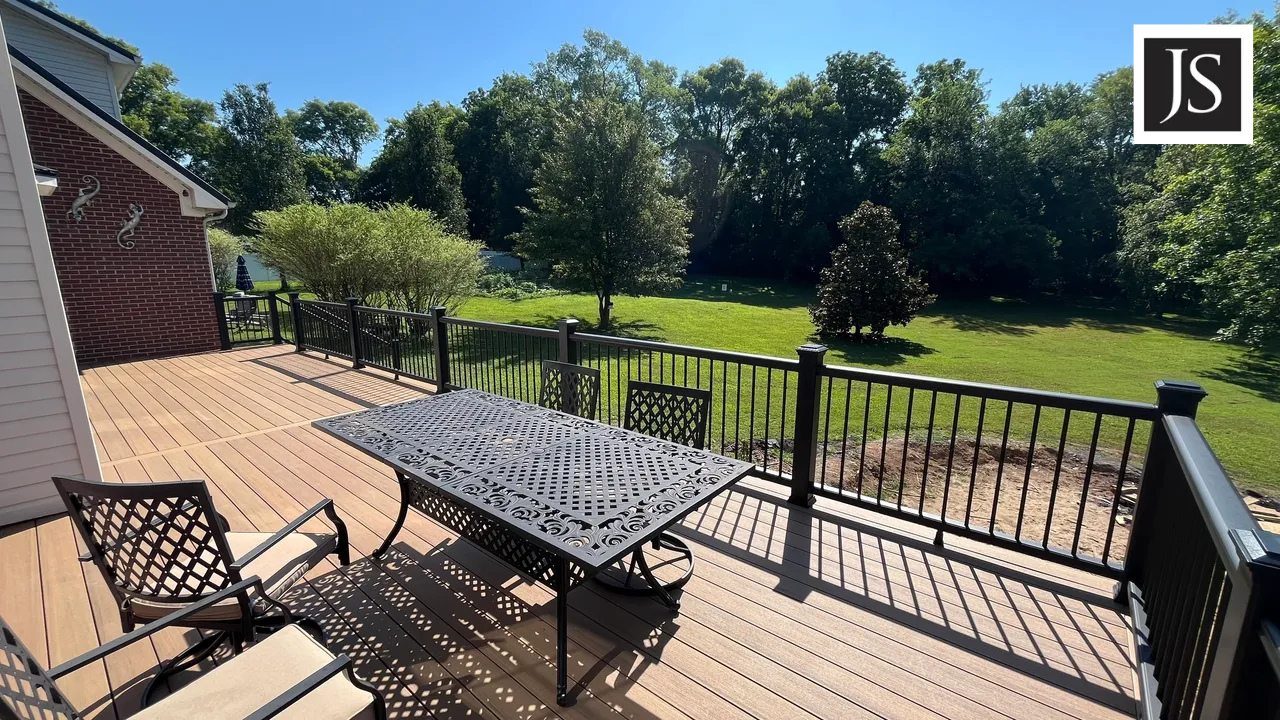
A deck gives your home another relaxed space without the formality of an indoor room. This flexibility is important for modern families, especially when the goal is to move easily between indoor comfort and fresh air. A simple seating area can become a morning retreat, an afternoon workspace, or an evening lounge depending on the time of day.
Many homeowners find that once a deck is built with enough shade, seating, and movement space, it quickly becomes one of the most used spots on the property. The best designs feel natural, not forced. They invite people outside because they are comfortable, functional, and easy to enjoy.
It Supports Multiple Activities
One of the biggest reasons people love a well-designed deck is that it can serve more than one purpose. A single level may be good for basic use, but a zoned design opens the door to dining, entertaining, relaxing, grilling, gardening, and even play areas for kids. This is where thoughtful planning makes a visible difference.
For homeowners interested in a more versatile outdoor layout, outdoor living spaces can incorporate decks, pergolas, covered areas, and other elements that work together. The result is a backyard that feels more like a custom extension of the home rather than a standalone feature.
It Improves Daily Routines
Small daily habits often benefit most from a better deck. A calm space outdoors can turn the first cup of coffee into a peaceful ritual. A practical dining zone can make weeknight dinners feel more relaxed. Even a few minutes of fresh air after work can become more restorative when the environment is inviting.
That everyday usability is what makes deck investment meaningful. The value is not limited to big events or resale. It shows up in ordinary moments, which is often where homeowners feel the strongest return on design decisions.
2026 Deck Design Trends That Boost Everyday Enjoyment
Multi-Level and Zoned Deck Layouts
Multi-level designs are gaining popularity because they solve a common problem: one flat deck often tries to do too much in one place. By separating the space into levels or zones, homeowners can define where people eat, where they lounge, and where they gather socially. This makes the deck feel larger, more organized, and easier to use.
Builders and designers are seeing more demand for these layouts because they naturally improve flow. A lower platform can hold a dining set, while a slightly raised section can offer lounge seating or a fire feature. For many families, the difference is immediately noticeable once they start using the space day to day.
Sustainable and Low-Maintenance Materials
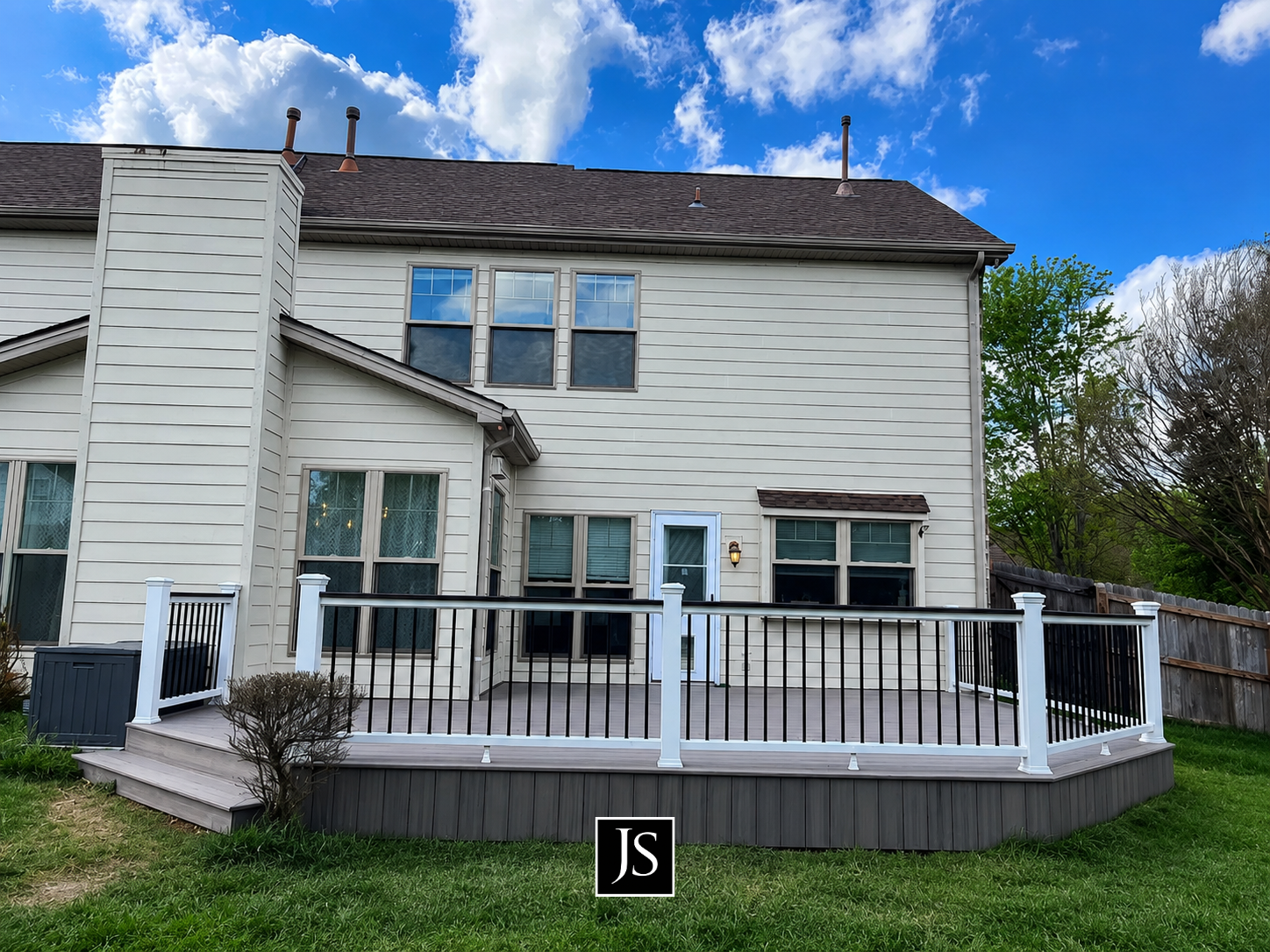
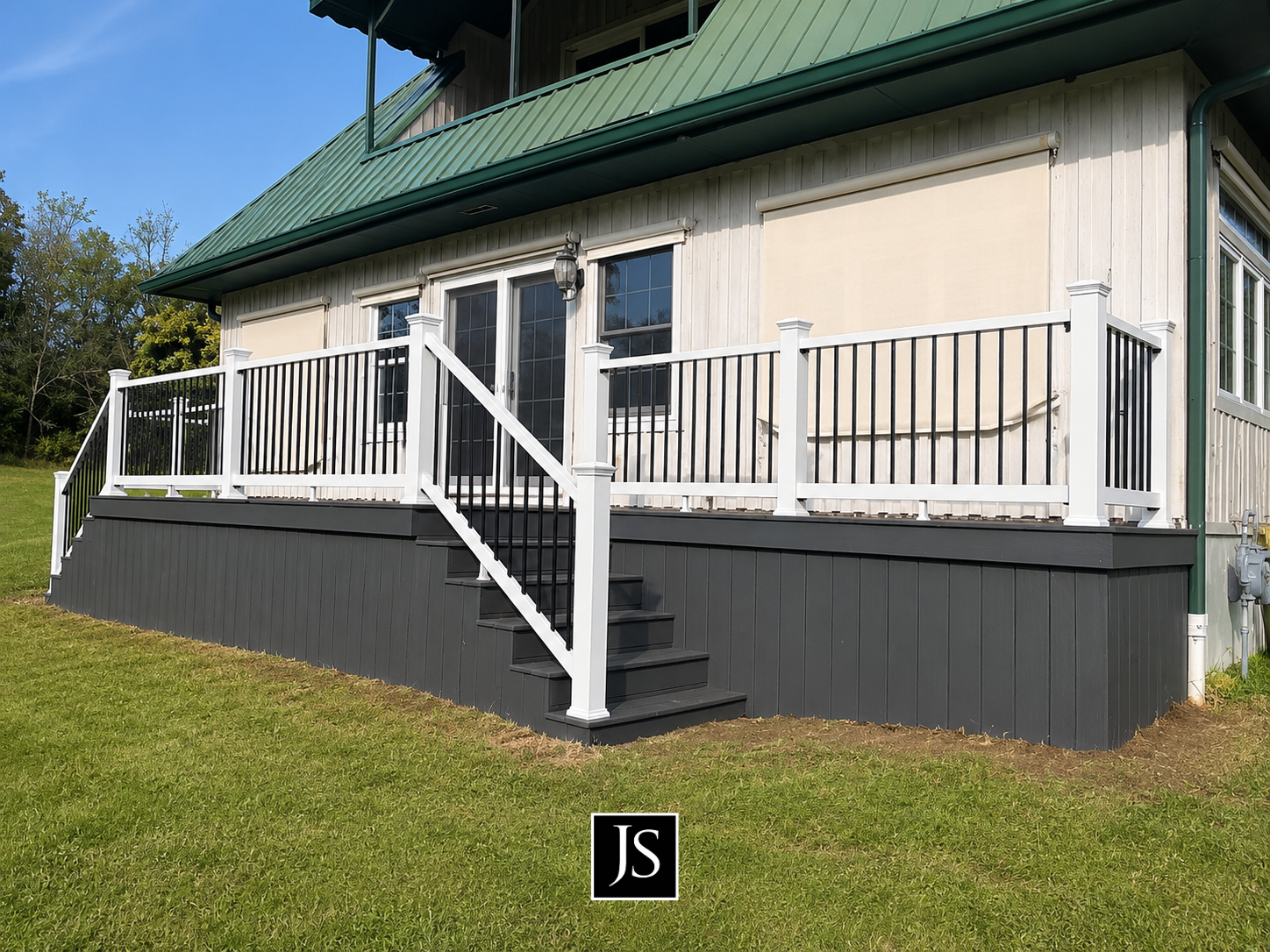
Composite decking continues to be a major trend because it combines durability with easier care. Recycled-content products reduce environmental impact while helping the deck resist rot, fading, and routine wear. For homeowners who want a beautiful space without constant staining or sealing, the appeal is obvious.
Industry research and product guidance from sources such as the U.S. Environmental Protection Agency support the broader value of recycling and material reuse in everyday construction. When paired with quality installation, these materials can help a deck stay attractive for years while reducing maintenance time. Homeowners can also explore options like composite decks or specialized TREX decks and railings for a modern, low-maintenance solution.
Neutral and Earth-Toned Color Palettes
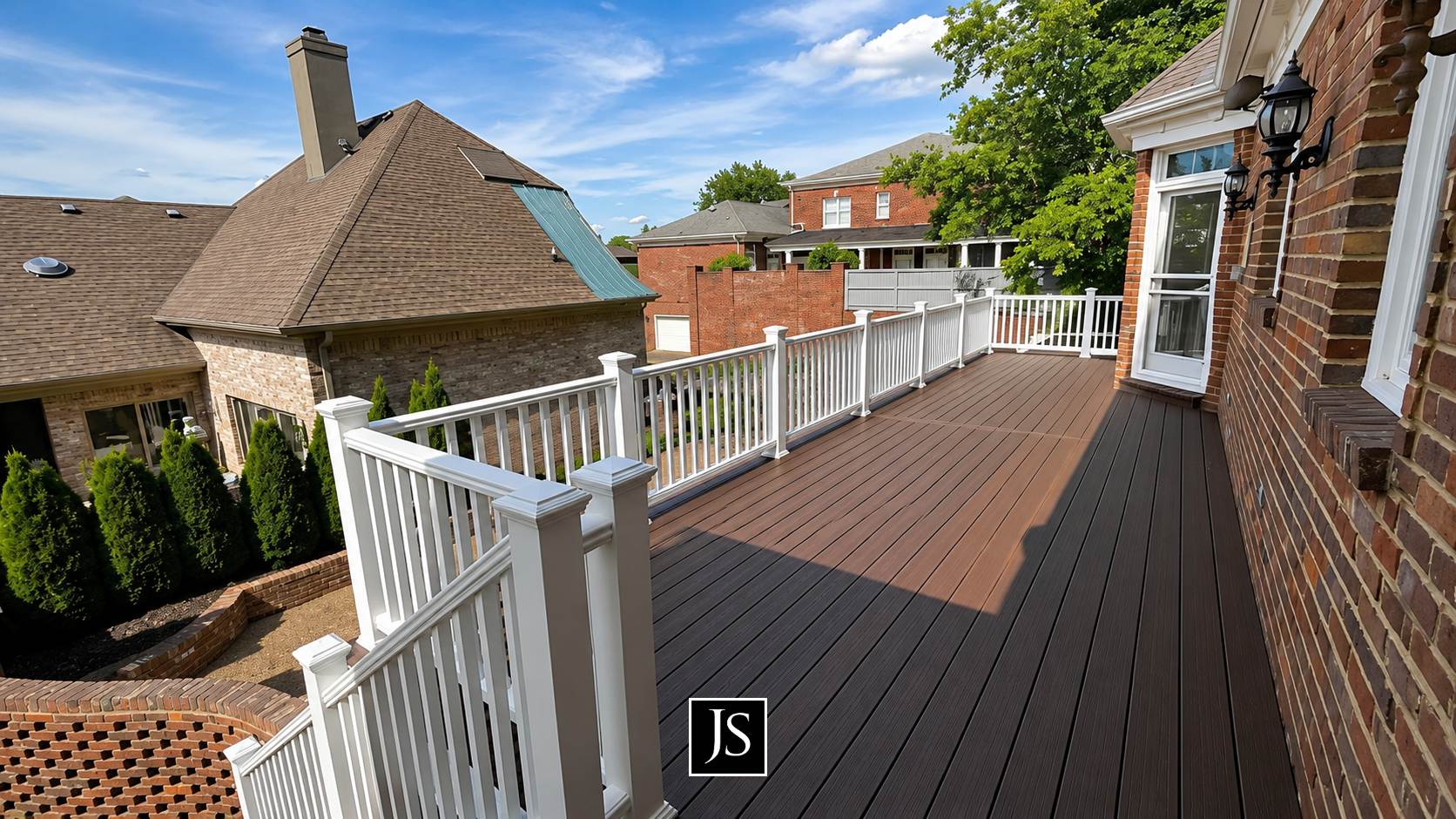
Designers are moving toward warm browns, driftwood grays, and other earthy shades because these colors blend more naturally with landscaping and architecture. These tones create a calming atmosphere and make the outdoor area feel cohesive rather than visually disconnected. They also tend to age well, which is useful for homeowners thinking long-term.
When a deck color palette works with the home exterior, the entire property feels more polished. Subtle wood-grain textures and muted finishes can soften hard edges and bring a sense of comfort to the space. This is one reason neutral tones are becoming a preferred choice for both new construction and remodeling.
Design Choices That Make a Deck Feel More Comfortable
Seating, Shade, and Traffic Flow
Comfort starts with the basics. A deck should allow people to sit, move, and gather without feeling crowded. That means planning seating in relation to doors, grills, stairs, and views so that the space feels intuitive. The most successful layouts are easy to understand the moment someone steps outside.
Shade is another major comfort factor. Pergolas, partial roofs, umbrellas, and strategic roofline placement can make a big difference during warm months. For homeowners looking to increase usability across seasons, gazebo and pergola construction can provide stylish coverage while enhancing the overall design.
Lighting for Evening Use
Good lighting transforms a deck after sunset. Soft path lighting, rail lighting, and area lighting help define space while making it safer and more inviting. The goal is not to over-illuminate the deck but to create a warm, usable atmosphere that supports evening dinners, conversations, and late-night relaxation.
Lighting also makes the deck feel like an intentional part of the home rather than a space that disappears after dark. When coordinated with interior lighting, the transition between inside and outside feels smoother and more natural. That consistency matters for households that use the deck throughout the day.
Built-In Features That Reduce Clutter
Built-in benches, storage, planter boxes, and integrated steps help reduce visual clutter. Instead of bringing outdoor furniture and accessories into the space one item at a time, the deck itself can provide a useful structure. This improves the overall appearance while making daily use easier.
A cleaner layout also supports low-maintenance living. When the deck has smart storage and purposeful features, homeowners spend less time rearranging items and more time enjoying the space. That simplicity is one of the hallmarks of high-quality design.
Why Biophilic Design Matters Outdoors
Connecting to Nature Improves the Experience
Biophilic design focuses on strengthening the relationship between people and nature. On a deck, this can mean using materials that mimic natural wood, adding planters, framing good views, or arranging seating to encourage calm and reflection. The result is a more restorative outdoor environment.
Research from environmental psychology consistently points to the benefits of nature exposure, including reduced stress and improved mood. Even simple features like greenery, natural textures, and open-air seating can make a deck feel more peaceful. For families, that can translate into more frequent and more meaningful outdoor time.
Plants, Planters, and Living Elements
Planters and living walls are increasingly popular because they soften the deck’s edges and add life to the space. They also help the deck feel less like a separate structure and more like part of the landscape. This is especially valuable in backyards where the goal is a more immersive outdoor retreat.
In many cases, biophilic details do not require a large budget. A few well-placed planters, a trellis, or a small herb garden can change the feel of the space dramatically. These additions are simple, but they have a big impact on how often people want to spend time outside.
Natural Views and Privacy Balance
Good deck design should invite nature in while still protecting privacy. Screens, rail systems, planter dividers, and careful orientation can help preserve a quiet atmosphere. Homeowners often enjoy a deck more when they can relax without feeling exposed to neighbors or street traffic.
This balance matters even more in suburban neighborhoods where outdoor space is shared closely. The right design can make a deck feel secluded without making it feel closed off. That sense of openness and comfort is a major reason well-planned decks are so effective.
Indoor-Outdoor Flow Makes the Deck Feel Like Part of the Home
Match Materials and Finishes
One of the strongest ways to increase enjoyment is to create a seamless transition from the interior to the deck. Matching or coordinating flooring tones, trim details, and lighting temperatures can make the two spaces feel connected. This helps the deck function like a true extension of the home.
The principle is simple: when the transition feels smooth, people use the deck more often. If the design feels disconnected or abrupt, the space may be overlooked. That is why many homeowners prioritize cohesive planning from the start instead of treating the deck as a separate project.
Use Easy Access and Clear Entry Points
Deck entrances should be convenient, not awkward. The best layouts align doors, steps, and pathways so that moving between indoor and outdoor areas feels effortless. This is especially important for families that use the deck for dining or entertaining several times a week.
A well-planned connection can also make the home feel larger. It invites movement and helps outdoor areas become part of the daily routine. For homeowners comparing styles or planning a larger renovation, a full deck remodeling project can improve access, comfort, and visual continuity in one update.
Consider the Whole Outdoor Experience
Indoor-outdoor living is not just about one platform or one door. It includes how the deck works with the patio, lawn, garden, or covered area nearby. The most enjoyable homes think about the complete journey from the kitchen to the backyard and back again.
That broader approach can be especially effective in markets where homeowners value year-round usability. A better transition encourages more spontaneous outdoor time and makes the home feel more welcoming overall.
What the Data Says About Outdoor Living Value
Homeowners Are Prioritizing Usable Space
The shift toward outdoor living is not only a trend; it reflects a bigger change in how people define comfort at home. The Houzz study mentioned earlier shows how many homeowners are actively expanding usable outdoor space. That means decks are increasingly viewed as practical investments rather than decorative add-ons.
When people invest in a deck, they are usually looking for more than curb appeal. They want space for connection, relaxation, and flexibility. That is why thoughtful design matters so much: it turns an exterior upgrade into an everyday lifestyle improvement.
Return on Investment Remains Strong
Remodeling Magazine’s Cost vs. Value Report consistently ranks deck additions among the top exterior projects for return on investment, often recovering 65–80% of cost at resale. That does not mean every deck should be designed only for resale, but it does show that quality outdoor improvements tend to hold value well.
For homeowners considering a new build, this can provide confidence in the decision. A beautiful, functional deck can support family life now and strengthen the property’s appeal later. That combination of lifestyle value and financial value is hard to beat.
Quality Materials Protect Long-Term Value
Lower-maintenance materials can help preserve appearance and reduce repair costs over time. If a deck is difficult to care for, homeowners may use it less often or allow it to age unevenly. Durable materials keep the space looking fresh and enjoyable, which protects the return on the original investment.
This is where professional guidance becomes important. Choosing the right product for the climate, usage level, and home style can make a major difference in both performance and satisfaction. Homeowners often benefit from guidance on pressure-treated decks, composite systems, and railing upgrades that fit their budget and maintenance expectations.
Real-World Examples of Better Deck Design
A Sloped Backyard Turned Into Usable Space
In one Franklin project, a homeowner had a sloped backyard that was difficult to use for gatherings or even basic relaxation. By building a multi-level deck, the property gained separate areas for dining, lounging, and gardening. The elevation change that once limited the yard became part of the design solution.
This type of transformation shows why deck planning matters so much. Instead of working against the land, the design worked with it. The result was a backyard that felt larger, more organized, and much more enjoyable on a daily basis.
A Family Deck Designed for Indoor-Outdoor Living
Another local example involved a family that wanted the main living area to connect naturally to the backyard. The solution used composite decking, warm earth tones, and integrated planters to soften the edges of the structure. The family now uses the deck for weekday dinners, weekend hosting, and quiet mornings outside.
The key lesson is that a deck becomes more valuable when it reflects how a household truly lives. A good design does not just look attractive in photos. It supports real routines, real gatherings, and real comfort.
Why Professional Planning Changes the Outcome
Professional design and construction matter because the details affect long-term enjoyment. Structural framing, railing safety, drainage, lighting, and step placement all influence how the deck feels every day. A well-built deck reduces friction, which makes it easier for homeowners to use the space consistently.
For homeowners comparing local options, working with a trusted team in Franklin can help turn ideas into a durable, functional plan. Whether the project is a simple upgrade or a full custom build, the right contractor can connect design vision with real-world performance.
How to Plan a Deck That Improves Everyday Life
Start With Your Daily Habits
The best deck designs begin with simple questions. Do you want a place for quiet coffee, family meals, entertaining guests, or gardening? Do you need shade, privacy, or room for children to play? When the design starts with lifestyle needs, the final space is far more useful.
Homeowners should also think about how often they expect to use the deck and what seasons matter most. That information helps guide layout, materials, and accessories. It also prevents the common mistake of creating a beautiful deck that does not fit the way the home is actually used.
Choose Materials for Your Priorities
Some homeowners want the most natural look, while others care most about durability and low upkeep. There is no single right answer, but there is a right answer for each household. Those who want easier maintenance often choose composite products, while others may prefer the affordability of pressure-treated decks.
If you are unsure which direction is best, talk through your expectations for cleaning, weather exposure, and long-term appearance. The right material choice will make the deck easier to enjoy and simpler to maintain. That is especially important for busy homeowners who want beauty without constant upkeep.
Work With a Team That Understands Outdoor Living
A successful deck project requires more than lumber and fasteners. It requires a design that balances style, structure, code compliance, and long-term use. This is why many homeowners look for full-service help that includes planning, installation, and related outdoor features.
If you want to extend the space even further, options like porch construction or custom pergolas can create a more complete outdoor environment. These additions help turn a single deck into a true outdoor living destination.
Frequently Asked Questions About Deck Enjoyment and Design
What makes a deck enjoyable to use every day?
A deck feels enjoyable when it is comfortable, easy to access, and designed around the way people actually live. Features like seating zones, shade, lighting, and low-maintenance surfaces all contribute to a better experience. A thoughtful layout removes barriers and makes outdoor time feel effortless.
Is composite decking worth the cost?
For many homeowners, yes. Composite decking usually costs more upfront, but it can reduce long-term maintenance and keep the deck looking cleaner for longer. That makes it attractive for people who value convenience and consistent appearance.
How important is safety in deck design?
Safety is essential. Railings, step design, proper framing, and secure connections affect both comfort and peace of mind. If a deck feels unstable or poorly detailed, homeowners are less likely to use it regularly.
Can a deck really improve home value?
Yes. Well-designed deck projects can support resale value and improve the home’s overall appeal. More importantly, they enhance daily life, which is often the more immediate benefit for homeowners who plan to stay in the home for years.
Conclusion: Better Deck Design Means Better Everyday Living
A well-designed deck does much more than add square footage. It creates a flexible, welcoming space that improves routines, supports relaxation, and helps families enjoy the outdoors with less effort. From multi-level layouts and sustainable materials to biophilic details and indoor-outdoor flow, the latest deck trends all point toward one idea: outdoor spaces should be practical, comfortable, and easy to love.
If you are planning an upgrade, think beyond appearance and focus on daily use. The most rewarding decks are the ones that invite people outside again and again. For help creating a space that fits your home, your lifestyle, and your long-term goals, explore our new deck installation options or review our project gallery for inspiration. When you are ready, JS Decking & Renovation is here to help you build a deck that truly improves everyday life.