Guide to Designing the Perfect Deck for Outdoor Living
Designing the perfect deck is all about balancing what you need it to do with how you want it to look and how long you want it to last. This guide will help you pick the right materials, plan out different areas, add some shade and smart tech, and even think green with sustainable practices. Whether you’re starting from scratch or sprucing up what you’ve got, these tips will help you craft a deck that's comfy and fits your home and lifestyle.
If you’re ready to turn those deck dreams into reality, the team at JS Decking & Renovation is here to help from start to finish. Looking for a new deck installation? We've got you covered. Or, keep reading for some great ideas and advice to guide your choices.
Getting Started: Plan and Set Your Goals
Know What You Want
Think about how you want to use your deck. Is it for dining, hosting friends, relaxing, or family playtime? Knowing this early helps decide the size, layout, materials, and extras like lights, railings, or an outdoor kitchen. Having clear goals keeps your budget and timeline on track because different activities need different features and finishes.
Check Out Your Site and Weather
Look at how the sun hits your space, where the wind blows, and any slopes or drainage issues. Even in places like Franklin, where the weather is mild, rain and humidity can affect your material choices. Reliable climate data from places like the National Oceanic and Atmospheric Administration can help plan for durability and orientation for shade and wind protection.
Set a Realistic Budget
Include costs for materials, labor, permits, and surprises like hidden rot or grading work. Leave room around 10-15% extra for the unexpected. Focus first on things that offer the most value, such as structural strength and weather-resistant materials, then add aesthetic upgrades or smart features if the budget allows.
Picking Materials: Durability, Care, and Style
Composite and PVC: Low-Maintenance Champs
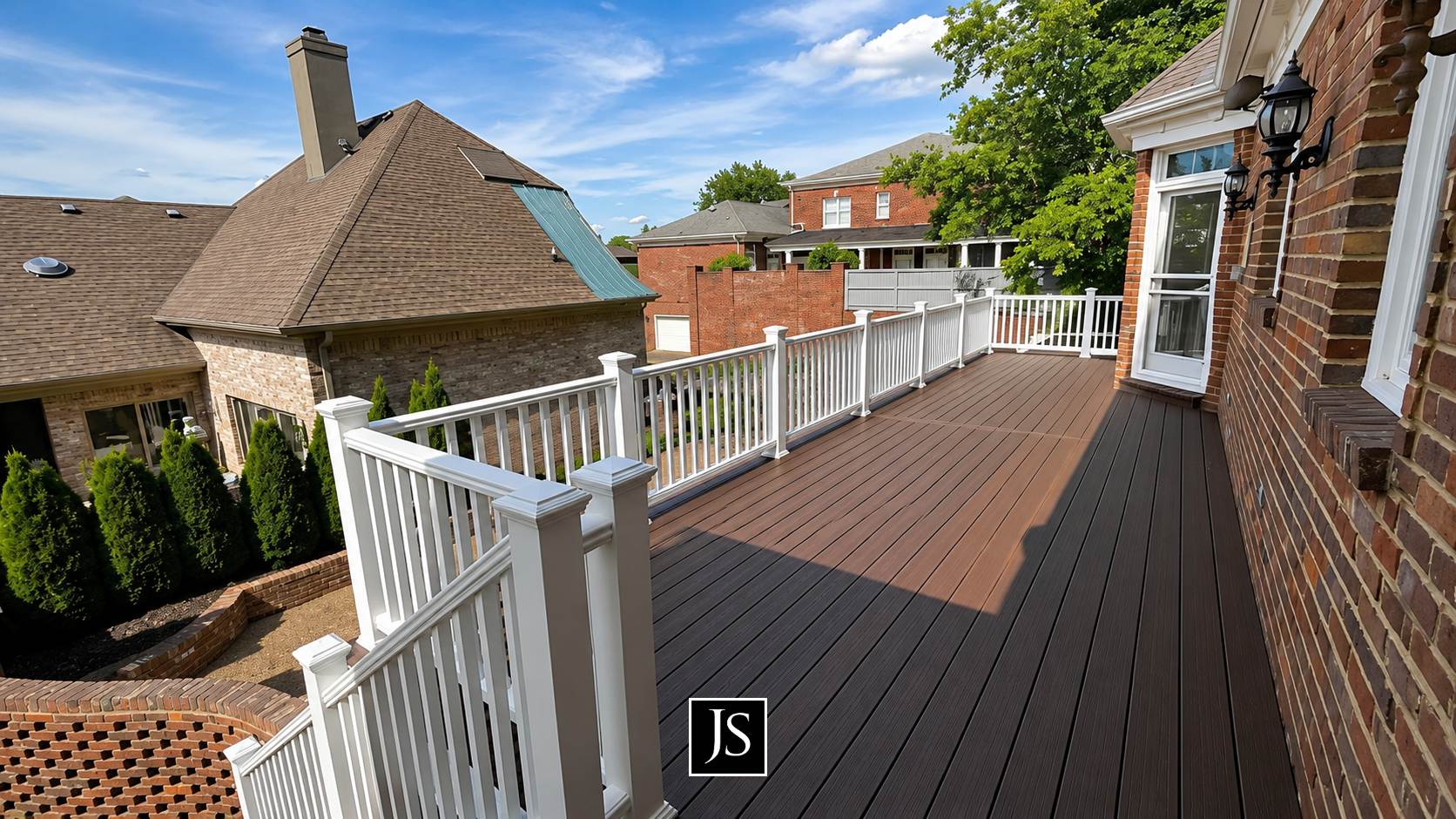
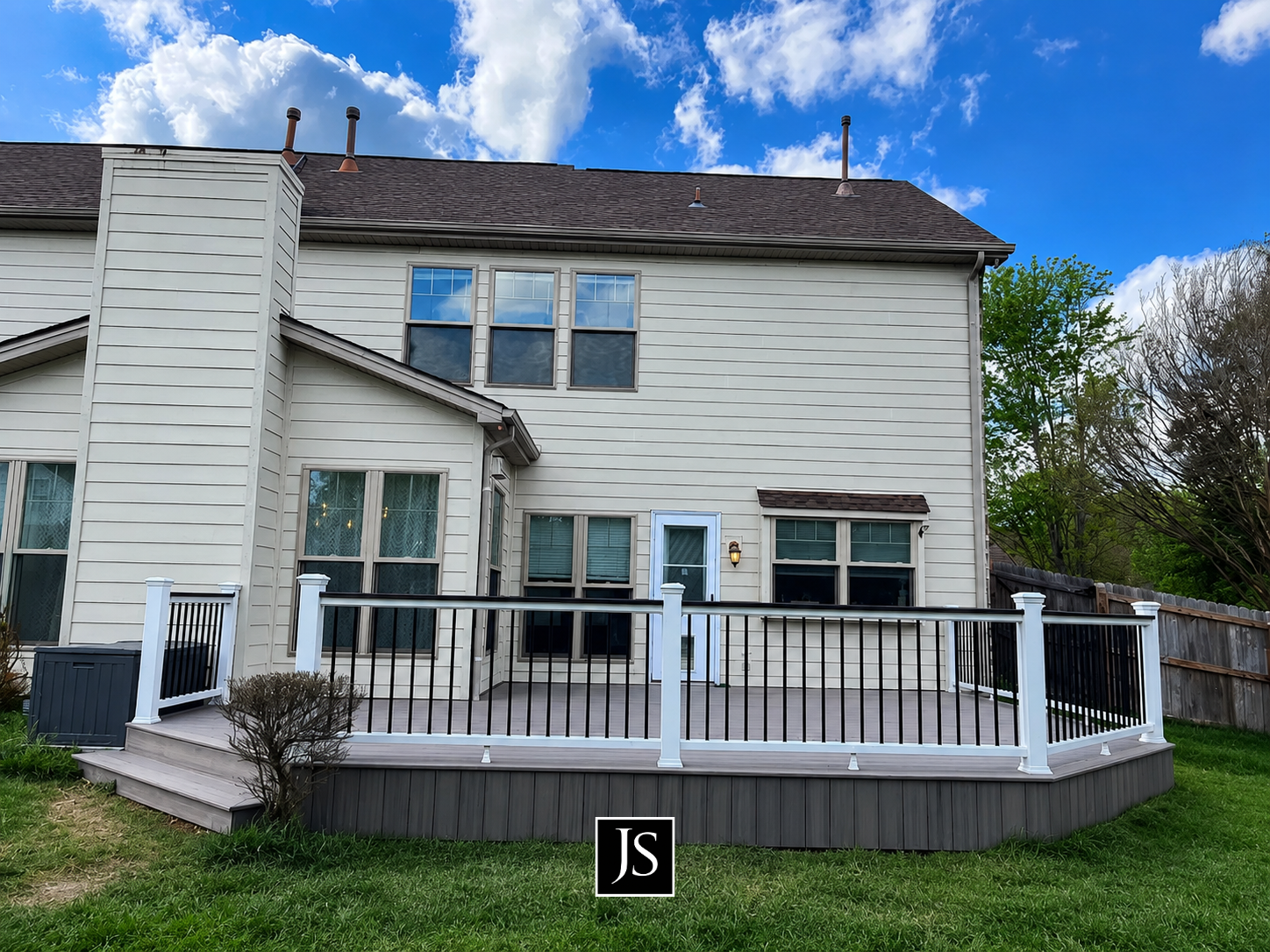
Composite and PVC decking are popular because they stand up to moisture, bugs, and fading. These materials now look more like real wood and require less upkeep. If you’re not into frequent sealing and staining, they offer great long-term performance with less hassle than traditional wood.
Wood Choices: Treated, Heat-Treated, and Cedar
Pressure-treated wood is affordable and resists rot and insects when maintained well. Heat-treated woods and naturally durable ones like cedar or redwood are stable and beautiful, but need more care. Using local materials, like Tennessee cedar, can enhance authenticity and help your deck age with grace.
Balancing Looks and Performance
Choose materials that match your home’s style and your maintenance tolerance. Want a warm, rustic vibe? Go for heat-treated wood or cedar with a protective stain. Prefer longevity and low upkeep? High-quality composite decking offers consistent looks and long warranties. Compare warranties, slip resistance, and UV stability when choosing.
Layout and Zones: Crafting Outdoor Spaces
Multi-Level Deck Ideas
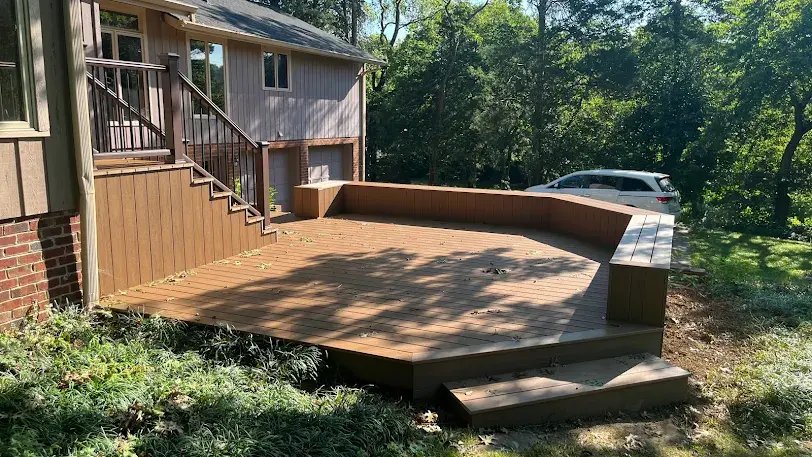
Multi-level decks can make the most of sloped lots or create separate areas for different activities. Different levels can host dining areas, lounging spots, and raised views for plants or storage. Smooth transitions between levels, like steps that double as seating, improve flow and make each zone feel purposeful.
Zones for Dining, Lounging, and Cooking
Design each space with specific furniture, paths, and safety in mind. Dining areas need stable surfaces and should be near the kitchen, while lounging spots benefit from soft lighting and comfy seats. If you plan for a grill or outdoor kitchen, ensure safe distances, proper ventilation, and surfaces that can handle heat and grease. Smart utility placement can reduce costs and keep the layout clean.
Flow and Accessibility
Keep traffic intuitive with clear paths between doors, steps, and zones. Allow for space around tables and grills so movement feels easy. Consider ADA-friendly features if accessibility is important: wider paths, shallow steps, and well-placed handrails make the deck more usable for everyone.
Shade and Weather: Making Your Deck Usable Year-Round
Pergolas, Gazebos, and More
Shade structures turn a deck into an all-weather room. Pergolas add filtered light and visual interest, while gazebos or roofed structures protect from the sun and rain. Custom-built options can match your deck and home’s look, making them feel like a natural extension. For professional help, consider gazebo and pergola construction services.
Louvered Roofs and Awnings
Louvered roofs allow you to control light and ventilation, blocking or letting in the sun as needed. Retractable awnings offer quick sun protection and can be pulled back for full sun. Pairing these with smart controls can automate shading based on schedules or app settings.
Weatherproofing That Works
Details like water drainage, flashing where the deck meets the house, and moisture-resistant framing are key to durability. Proper flashing prevents water damage to both the house and deck. Use corrosion-resistant fasteners compatible with your decking materials to ensure safety and longevity.
Smart Technology: Convenience and Ambiance
App-Controlled Lighting and Sound
Smart lighting lets you set scenes for dining, entertaining, or relaxing with just a touch on your phone. These systems can make your deck more usable, extending evening hours. Built-in speakers and outdoor-rated AV equipment can be discreetly wired into deck framing for a clean setup.
Automated Shading and Climate
Automatic louvers, awnings, and misting systems adjust to conditions with little input. They can connect to weather sensors or be controlled by voice assistants and apps to optimize comfort and protect furniture and finishes. Automation reduces manual maintenance and extends the deck's usable season.
Power, Data, and Safety
Plan for enough power outlets, circuit allocation, and safe routing for low-voltage lighting and speakers. Install GFCI-protected outlets and ensure all outdoor electrical work meets local codes and NEC standards. For building safety guidance, check out resources from the International Code Council.
Bringing Nature Closer: Biophilic and Green Design
Adding Greenery
Biophilic design connects people to nature with plants, natural textures, and water features. Add planters, living walls, and container gardens to soften hard surfaces and boost comfort. Plants can also provide privacy, reduce glare, and support local biodiversity.
Sustainable Materials and Lifecycle
Think about the whole life of your materials: sustainability involves embodied energy, upkeep, and recyclability. Many composites use recycled plastics and reclaimed wood fibers. If using wood, choose responsibly sourced or heat-treated products to reduce environmental impact.
Water Management and Planting
Design drainage to manage rain and deck wash water, keeping it away from structural parts. Use permeable surfaces nearby and incorporate rain gardens to manage stormwater sustainably. Thoughtful planting can buffer wind and provide seasonal shade without causing moisture issues.
Safety, Codes, and Maintenance
Codes, Permits, and Inspections
Always check local building codes and permits before starting construction. Many places require permits for elevated decks, handrail heights, and stair details. Inspections ensure structural safety. Work with a contractor familiar with local codes to avoid rework.
Regular Upkeep
Even low-maintenance materials benefit from regular checks and cleaning. Clean composite decking annually to remove debris and check for any loose fasteners. For wood decks, plan to seal, stain, or refinish periodically to keep them weather-resistant and looking good.
Handling Common Repairs
Loose railings, wear in high-traffic areas, and moisture damage are typical issues. Address loose or squeaky boards quickly to prevent bigger problems. For railing repairs, consider professional services for quick, safe fixes; learn more about railing replacement and repair.
Real-World Deck Ideas
Urban Oasis: Small Space, Big Impact
One homeowner turned a small urban yard into a multi-level composite deck with integrated lighting and a pergola. The design created an intimate dining area near the kitchen and a raised lounging platform with planters for privacy. Using composite materials cut down on maintenance and kept the look consistent with the home’s modern style.
Mountain Retreat: Nature-Inspired Design
For a mountain home, the design used heat-treated wood and local stone to blend with the landscape. Large planters, a living fence, and native plants increased habitat value and blocked wind. Simple passive shading maximized winter sun and summer shade, showing how material and placement choices support comfort and fit.
Suburban Entertainer: High-Tech Deck
A suburban family revamped their deck for entertaining with built-in speakers, app-controlled lighting, and a retractable awning. The layout separated cooking, dining, and play areas, while durable composite decking minimized upkeep. Strategic lighting and power made outdoor evenings cozy and extended the usable season.
Your Design Checklist
Phase 1: Concept and Site Check
- Decide what your deck will be used for and how many people it will host.
- Look at drainage, sun patterns, slopes, and access points.
- Find inspirational images and decide on a style that matches your home.
Getting these elements documented early helps contractors provide accurate quotes and keeps your priorities front and center. Share your plans with potential builders for precise estimates and feedback.
Phase 2: Material Choices and Final Layout
- Pick decking, railings, and shade materials based on maintenance and budget.
- Set clear zone sizes and paths for movement and furniture.
- Plan for electrical and plumbing needs for lights, outlets, and outdoor kitchens.
Finalize materials and layout before signing any construction contract. This reduces changes and helps coordinate lead times for special items like louvered roofs or composite boards.
Phase 3: Building, Check-Ups, and Handover
- Confirm permits and inspection checkpoints with your contractor.
- Schedule walkthroughs during construction to ensure details and finishes meet your expectations.
- Receive maintenance instructions, warranties, and care plans at handover.
A good contractor will provide documentation of installed components, warranties, and a maintenance schedule tailored to your chosen materials. If you need tailored remodeling services, explore our deck replacement & remodeling solutions for safe and effective updates.
FAQs
Choosing Between Composite and Wood Decking?
Think about your maintenance willingness, budget, and desired look. Composite and PVC offer low maintenance and long warranties, while wood gives natural warmth and can be more affordable at first. Consider lifecycle costs, including refinishing and replacement, when making your choice.
What Permits Do I Need?
Permits depend on deck height, size, and local codes. Elevated decks and those with attached structures usually need a permit and inspection. Check with your local building department or work with a contractor familiar with local requirements to ensure safety and compliance.
Can I Add Smart Features Later?
Yes, you can. Plan conduit, power spots, and mounting points during initial construction to make future upgrades easier. Pre-wiring simplifies adding lighting, speakers, or automation later without disrupting finished surfaces.
Wrapping Up and Next Steps
Designing a deck that’s just right means setting clear goals, choosing the right materials, smart zoning, and considering local weather and codes. If you prefer less upkeep, go for low-maintenance materials like composite or PVC, but also look at the beauty and eco-friendly benefits of responsibly sourced wood. Adding shade, smart tech, and green elements will make your deck comfy and connected to nature, ensuring long-term value.
If you’re ready to transform your outdoor space, JS Decking & Renovation can help with design, permits, and construction with reliable craftsmanship and clear planning. Check out our composite decks options or contact us to discuss a custom solution that suits your home and lifestyle. For inspiration, view our gallery and reach out to book a consultation.
To ensure lasting value, consult building and safety guidelines during planning and installation. For general info about composite materials and design concepts, check out Wikipedia's overview on composite materials. For permits and electrical planning, refer to professional code resources to confirm requirements and safety practices.
Ready to get started? Call JS Decking & Renovation at 615-207-6310 or email jsdecks1@gmail.com to schedule a consultation and make your outdoor living vision a reality.
Call to action: Schedule your complimentary design consult today and take the first step toward a deck that's beautiful, functional, and built to last.