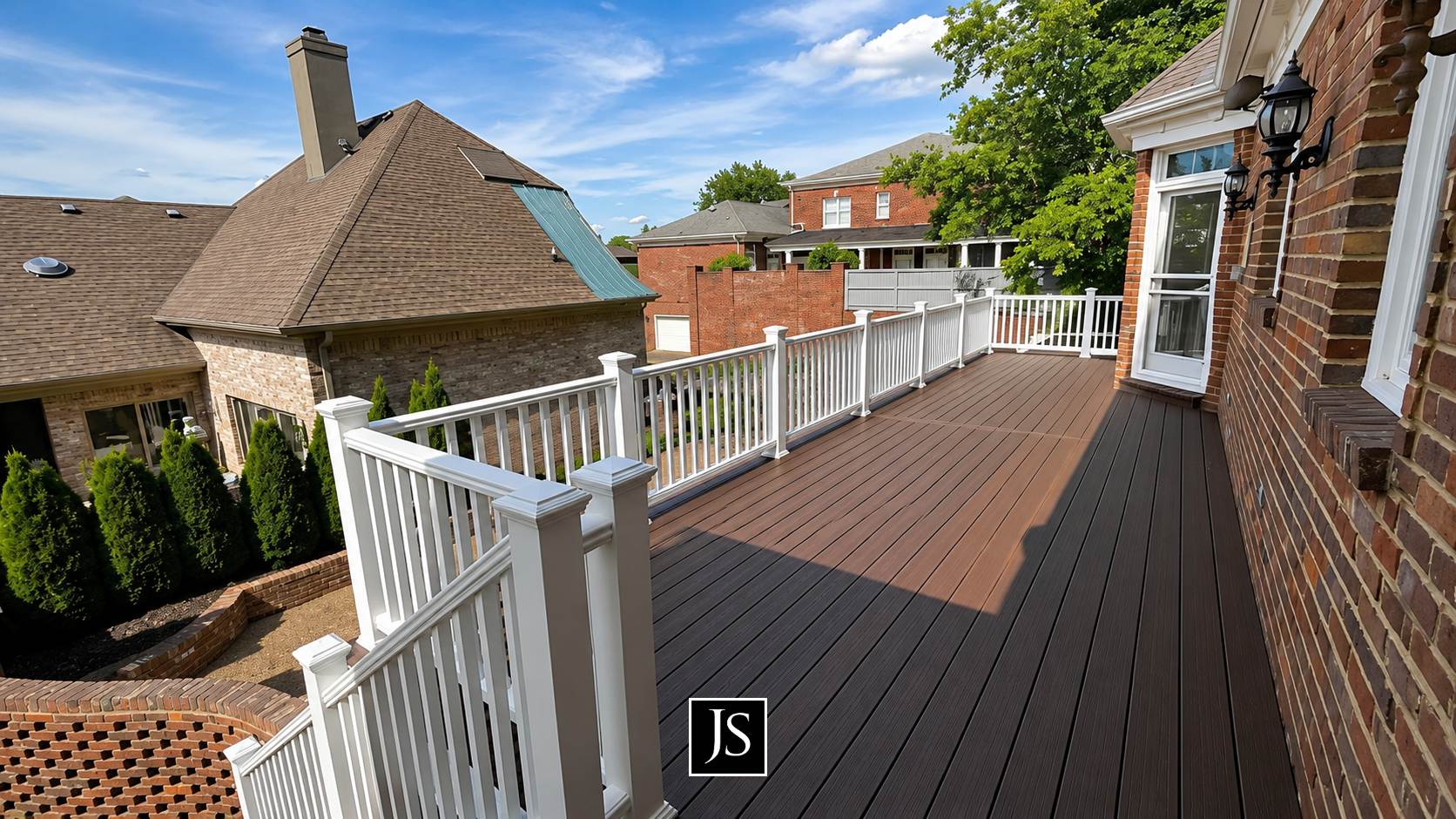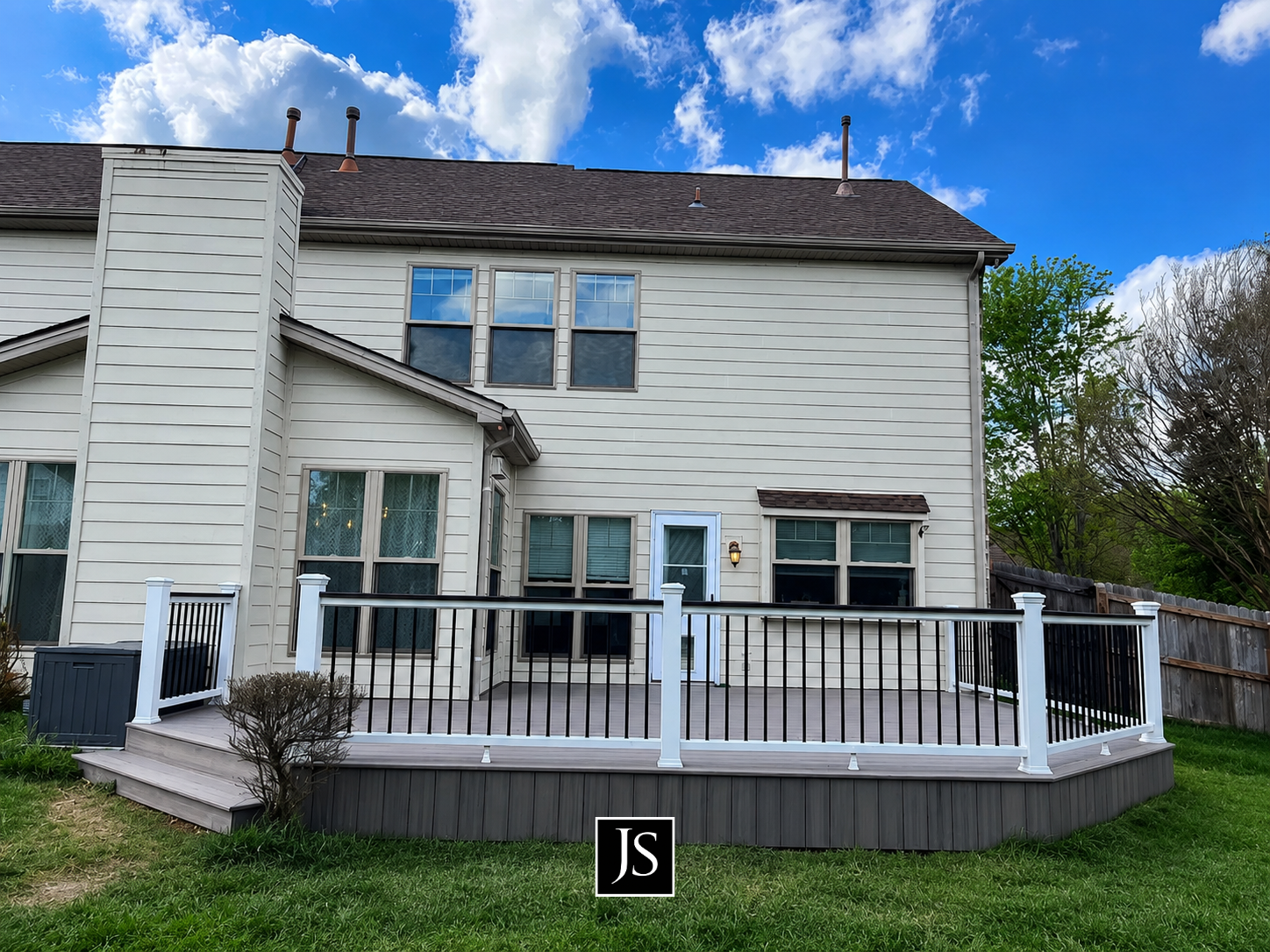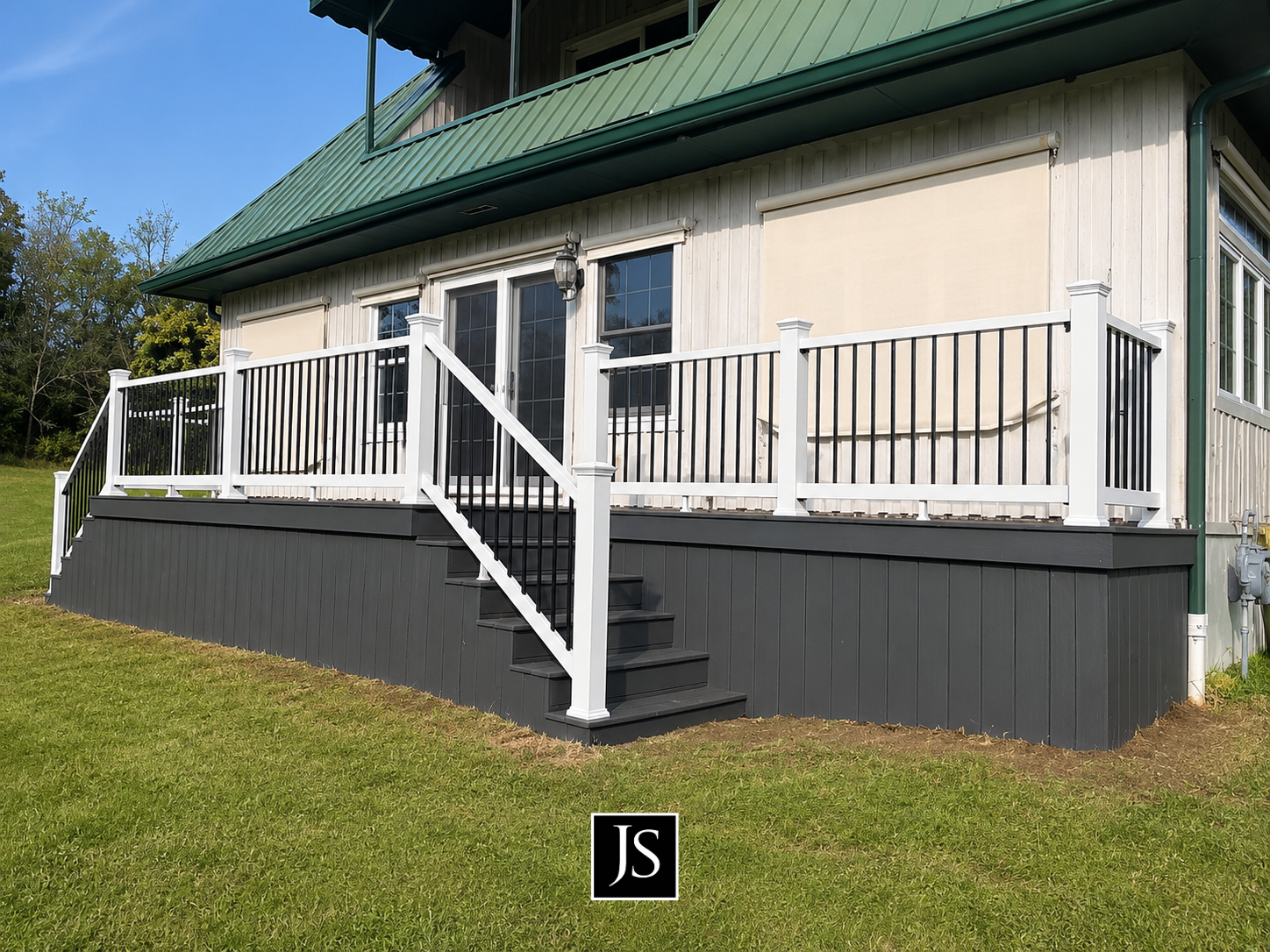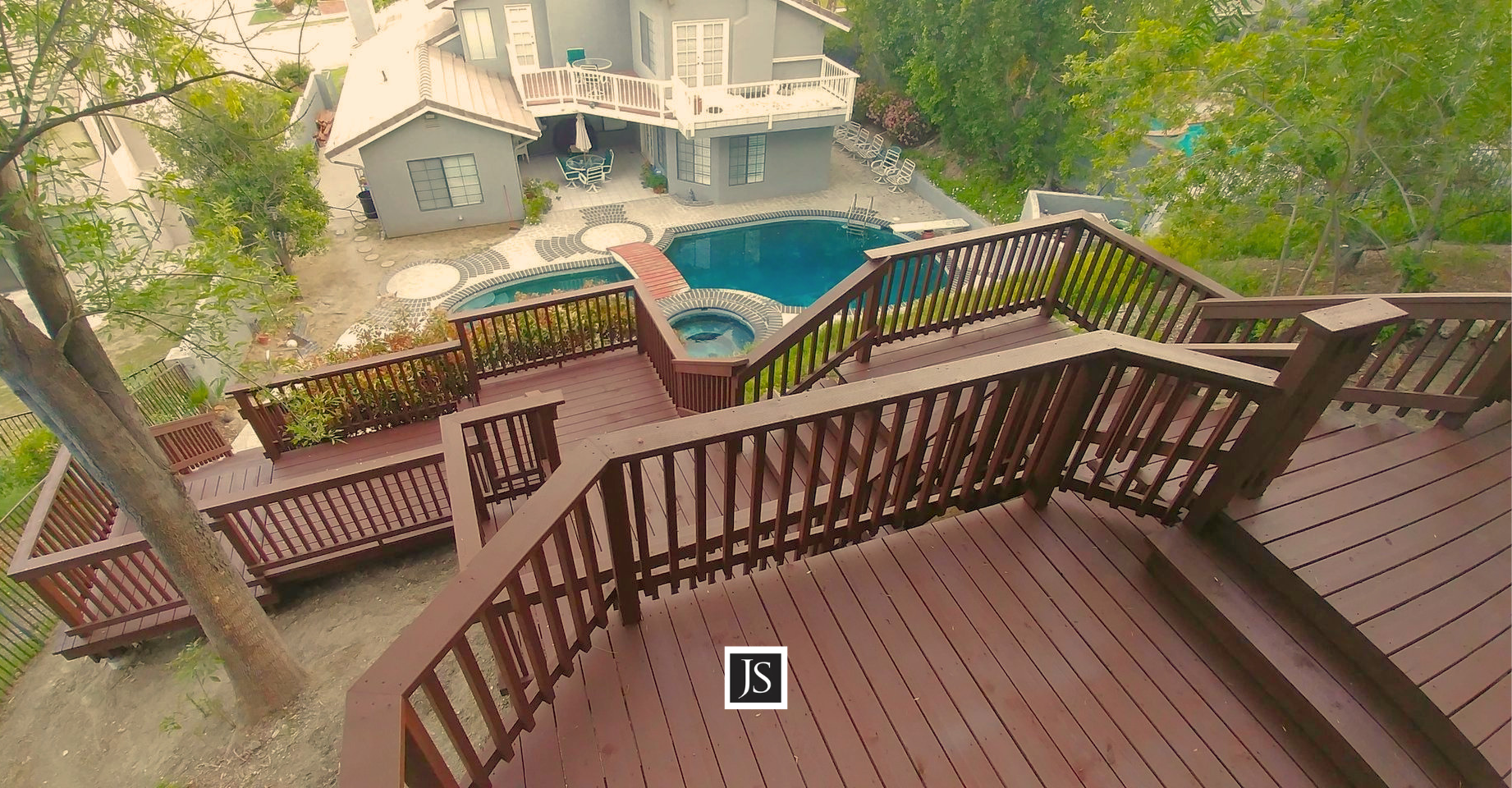
Building a multi-level deck can totally change how you enjoy your backyard. It takes a sloped or underused yard and turns it into a practical, beautiful part of your home, with separate spots for dining, relaxing, and entertaining. If you're looking into contractor services in Franklin, TN, this kind of project can offer both lifestyle perks and long-term value, especially when planned right.
Unlike a simple platform deck, a multi-level design needs some careful thought about structure, safety, materials, and how each level connects. Many homeowners start by checking out design ideas in a project gallery before diving into professional planning. If you're also thinking about other outdoor upgrades, a wider outdoor living spaces approach can help create a more cohesive and functional yard.
This guide will walk you through what to consider before building a multi-level deck, including design trends, code compliance, materials, costs, and maintenance. You'll also see how local terrain, especially in areas with rolling ground, can make a multi-level layout a smart choice. To get why this matters, think beyond looks and focus on long-term performance, safety, and everyday use.
Why Multi-Level Decks Are So Popular
They make better use of tricky yards.
One of the biggest perks of a multi-level deck is how it handles a sloped or uneven yard. Instead of spending big on grading and excavation, a layered deck can follow the natural slope of the property and create usable spaces without battling the landscape. This is super helpful in places like Franklin, Tennessee, where terrain can vary from one yard to the next.
Multi-level decks also help split large outdoor spaces into zones. For instance, one platform can be for grilling and dining, while another can be set up for lounging, gardening, containers, or a fire pit. This kind of zoning is why homeowners often pick a custom new deck installation over a simple replacement. A well-thought-out plan makes a backyard feel organized rather than cramped.
They can boost curb appeal and property value.
Well-designed outdoor living features are a strong selling point for homeowners. Buyers want homes that support outdoor entertaining, flexible family use, and low-maintenance finishes. According to the National Association of Realtors, outdoor improvements are attractive because they add usable living space and visual appeal. So, a multi-level deck can enhance both daily enjoyment and resale potential.
That said, value hinges on quality. A deck that looks great but lacks proper structure, railing, or drainage can become a liability. That's why homeowners might compare a full deck remodeling plan with a brand-new build to decide if it's smarter to upgrade an existing structure or start over with a more durable design.
Trending Deck Design Ideas to Consider
Integrated outdoor living features
Modern multi-level decks are more than just wooden platforms with railings. Many now include built-in seating, outdoor kitchens, pergolas, and fire pits to create a cohesive living environment. These features make the deck more usable year-round and help each level serve a distinct purpose. The result is a backyard that feels like an extension of the home, not a separate space.
Adding these elements early in the planning process is key because they affect framing, load distribution, utility access, and traffic flow. If you want an outdoor kitchen on one level and a quiet seating area on another, the design must account for heat, ventilation, power, and safe movement between spaces. Often, this is where a professional service like outdoor living spaces design becomes incredibly useful.
Sustainable and low-maintenance materials
Another big trend is moving toward composite decking and other low-maintenance products. Homeowners love the reduced upkeep, resistance to fading, and long service life. Material innovation also aligns with broader interest in sustainability and durability, making composite options a popular choice for busy families. If you're deciding between wood and composite, looking into a composite deck solution can help you understand the long-term tradeoffs.
Pressure-treated lumber still has a place, especially for budget-conscious projects, but it requires ongoing sealing and inspection. For a lower-cost option, some homeowners prefer pressure-treated decks because they offer solid performance and easy repairs. Others choose premium materials like cedar or redwood when appearance and natural grain are top priorities. The right choice depends on budget, climate exposure, and maintenance expectations.
Seamless transitions and visual flow
Today’s best deck designs focus on transitions between levels. Instead of abrupt steps and disconnected platforms, designers often use wide stairs, integrated landings, and complementary railing styles to create visual unity. This makes the deck feel more spacious and easier to navigate. Good design also considers how the deck is seen from inside the home and from the yard.
Many homeowners also add shade structures or accessory features to soften the look of a multi-level layout. A custom gazebo or pergola can bring balance to the design while offering relief from direct sun. When planned right, these additions enhance comfort without overpowering the core structure.
Structural Planning and Safety Come First
Each level needs its own support strategy.
A multi-level deck is more complex than a single platform because each section may need its own footings, beam layout, and load calculations. Structural integrity must be tailored to the yard's shape, the height differences, and how the levels connect. This isn't just a design issue; it's a safety issue. Poor framing or undersized supports can lead to bounce, sagging, or long-term failure.
Industry guidelines emphasize that each level should be designed with proper support for its unique span and elevation. The details matter, from footing depth to beam sizing to post placement. For reference, the American Wood Council and local code resources provide useful guidance on structural requirements, while many places also rely on the International Code Council standards for deck safety and design consistency.
Stair layout and railing requirements
Stairs are one of the most important features in a multi-level deck because they determine how easily people move between zones. Stair width, rise, run, and tread depth all affect comfort and code compliance. If stairs are too steep or too narrow, the deck can feel awkward and unsafe. Well-designed stairs should be easy to climb, visually clear, and placed where traffic naturally flows.
Railings are equally important. They protect users from falls and help define each level visually. When railings are loose, poorly spaced, or too low, the entire deck can feel unsafe. If your current deck has damaged balusters or unstable posts, a focused railing replacement and repair service may be the first step before expanding to a larger project.
Local permitting and code compliance
Before construction begins, homeowners should confirm which permits are required and how the deck will be inspected. Building codes can address structural loads, footings, railing height, stair details, and attachment methods. Skipping this step can delay the project or create costly corrections later. A professional contractor will typically help navigate these requirements so the finished deck is both attractive and compliant.
Because code rules vary by location, it is smart to work with a builder familiar with regional expectations and inspection processes. For Franklin-area homeowners, local experience is especially helpful because terrain, drainage, and neighborhood standards can all affect the final design. Permitting may not be the most exciting part of the project, but it is one of the most important for protecting your investment.
Choosing the Right Materials for Long-Term Performance
Composite decking for durability
Composite decking continues to grow in popularity because it offers a strong balance of durability, appearance, and maintenance convenience. It resists rot, insect damage, and many of the weather-related issues that affect natural wood. For busy households, this means less staining, less sealing, and more time enjoying the deck rather than maintaining it.
Composite products also come in a wide range of colors and finishes, making it easier to match the deck to the home’s exterior. If you want a clean, modern appearance with long-term consistency, it is worth comparing product lines with a professional TREX deck and railing installation. This can be a strong fit for homeowners who want low maintenance without sacrificing style.
Wood options for natural character
Natural wood still appeals to many homeowners because of its warmth, texture, and classic appearance. Cedar and redwood can offer attractive grain and natural resistance to decay, while pressure-treated lumber remains a practical choice for budget-sensitive projects. Each material has different strengths, and the best option depends on the balance between cost, aesthetics, and upkeep.
Natural wood generally requires more maintenance than composite materials, including periodic cleaning, sealing, and inspection for wear. In return, it can be easier to customize and repair in certain applications. If you prefer a traditional look and do not mind ongoing care, wood can still be an excellent deck-building choice.
Hardware, fasteners, and weather resistance
Even the best deck boards will fail if the supporting hardware is low quality. Fasteners, joist hangers, flashing, and connectors should be chosen for corrosion resistance and compatibility with the deck material. This is especially important in humid climates, where moisture can accelerate wear over time. Good hardware is not visible from a distance, but it plays a major role in how long the deck lasts.
Weatherproofing should also be part of the initial design. Drainage gaps, flashing around ledger boards, and proper slope can reduce water buildup and help prevent decay. If you want to better understand how weather affects deck longevity, it may be helpful to read about weatherproofing strategies for decks before choosing your final materials.
Cost, Budget, and Return on Investment
Why multi-level decks cost more
Multi-level decks usually cost more than single-level structures because they require more materials, more labor, and more detailed engineering. Additional footings, stairs, railings, landings, and framing complexity all add to the total budget. If the site has difficult access or a significant slope, the cost may increase further. That does not mean the project is not worth it; it simply means expectations should be realistic from the beginning.
For many homeowners, the extra expense is justified by the added functionality and visual impact. When the deck becomes a true outdoor living area rather than a simple platform, the investment often feels worthwhile. A good contractor will help you compare options so you can prioritize the features that matter most without overspending.
Budget planning and smart tradeoffs
The best way to manage cost is to decide early which features are essential and which can be added later. For example, you may choose a composite surface on the primary level but use pressure-treated framing and simpler finishes in less visible areas. Or you may build the main structural shell now and add accessories such as a pergola or built-in seating later. Phasing the work can make a large project much more manageable.
Homeowners should also compare expected maintenance costs over time. A less expensive material may save money upfront, but require more sealing, repairs, or replacement later. In many cases, investing in a higher-quality build from the start produces better long-term value and fewer surprises. That is why many clients ask for a detailed quote before deciding between repair, replacement, or a full new build.
How decks can support resale appeal
A well-designed multi-level deck can improve the way buyers perceive the home. It creates a strong first impression, suggests more usable square footage, and offers a lifestyle benefit that many buyers value. While no renovation guarantees a specific return, outdoor improvements are widely recognized as appealing features in residential real estate.
To maximize that appeal, keep the design clean, functional, and coordinated with the home. Avoid overly complicated layouts that limit circulation or create maintenance headaches. Simple, smart choices often age better than trendy features that are hard to maintain.
Planning for Function, Flow, and Everyday Use
Design each level with a purpose.
One of the smartest ways to approach a multi-level deck is to assign each level a clear purpose. For example, the upper level might be best for grilling and dining, the middle level for relaxing near the house, and the lower level for a fire pit or garden seating. This method gives the deck structure and helps people use it more intuitively. It also prevents the space from feeling random or overcrowded.
Functional zoning is especially useful for families or households that entertain often. Guests can move naturally from one area to another without blocking the grill or crowding the main entrance. In practice, this creates a more relaxed experience and makes the deck feel larger than it actually is.
Think about circulation and access.
Good flow matters as much as good looks. If the stairs are placed awkwardly or the walkways are too narrow, the deck may be attractive but hard to use. Designers should think through where people enter, where they gather, and how often they will move between levels. A well-planned deck lets traffic move naturally without creating bottlenecks.
It is also important to consider how the deck connects to doors, patios, or yard paths. Smooth transitions reduce tripping hazards and make outdoor spaces easier to enjoy every day. If you are considering adding a covered entry or a front-of-home feature as part of the broader plan, a porch construction project may complement the deck beautifully.
Lighting, privacy, and comfort
Many homeowners overlook lighting during the early planning stage, but it is essential for safety and evening use. Stair lights, post cap lights, and soft accent lighting can make the deck more inviting and much safer after dark. Privacy features such as screens, planters, and partial rail panels can also improve comfort, especially in neighborhoods where homes sit close together.
Comfort features should be balanced with visibility and maintenance. A beautiful deck that is too dim or too exposed may not get used as often as expected. Planning these details early helps ensure the space works in real life, not just on paper.
Common Mistakes to Avoid
Ignoring drainage and site conditions
Water management is one of the most overlooked parts of deck design. If drainage is poor, water can collect under the structure or near the foundation, leading to rot, erosion, or settling. A multi-level deck should be designed with site conditions in mind so that runoff has a clear path away from the home. This is particularly important on sloped lots where water movement can be unpredictable.
Site evaluation should happen before the final design is approved. That includes looking at grading, soil stability, sunlight, and how runoff behaves after heavy rain. When drainage is planned properly, the deck performs better and lasts longer.
Overbuilding without a clear plan
Some homeowners want every possible feature at once, but that can make the deck feel cluttered and expensive to maintain. A better approach is to focus on the core uses first and add enhancements only when they support the overall design. Too many competing features can make the deck look busy and reduce usable space.
Instead, the project should begin with a clear vision. Start with the main activities you want to support, then choose levels, stairs, and materials that reinforce that vision. This keeps the design intentional and the budget under control.
Choosing style over safety
Style matters, but safety should never be compromised for a trendy look. Weak railings, steep stairs, and undersized structural elements can create hazards that no finish can hide. A deck should be beautiful, but it must also be stable, code-compliant, and easy to use for everyone in the household.
If your existing deck already has safety concerns, it may be time to evaluate whether repair or replacement is the better option. In many cases, a full replacement provides better long-term value than patching an aging structure that has deeper problems.
How to Work With the Right Contractor
Look for design and code knowledge.
Building a multi-level deck is not just about carpentry. It requires experience with structural planning, permit requirements, drainage, and material selection. A qualified contractor should be able to explain why a certain layout makes sense and how the structure will be supported. That level of knowledge helps prevent costly mistakes and ensures the final build matches your goals.
It is also wise to ask for examples of completed work. Seeing real projects can help you understand the builder’s design range and quality standards. If you are comparing options, browsing the gallery, and asking about similar local projects can give you confidence before you move forward.
Ask about materials, timelines, and maintenance.
Good communication is essential. Before construction starts, ask what materials are recommended, how long the project will take, and what maintenance will be required after completion. Clear answers help you make informed decisions and avoid misunderstandings later. A trustworthy contractor should also be transparent about potential challenges such as hidden damage, drainage issues, or code adjustments.
If you want a project tailored to local conditions, ask about experience with sloped lots and outdoor living additions. In some cases, adding a pergola, upgraded railing system, or expanded lounge area can improve the deck’s functionality significantly. These details are often where a standard build becomes a custom solution.
FAQs About Multi-Level Deck Planning
Do multi-level decks add more value than single-level decks?
They can, especially when they improve usable space, match the home’s architecture, and are built to a high standard. Buyers tend to appreciate outdoor areas that feel organized and move easily between functions. Value is strongest when the deck is well-maintained and designed with broad appeal in mind.
Are multi-level decks harder to maintain?
They can require more attention because they include more stairs, railings, and transitions. However, maintenance becomes easier when durable materials are chosen from the start, and the structure is built correctly. Composite surfaces and quality hardware can reduce ongoing work considerably.
What is the best material for a low-maintenance deck?
Composite decking is often the top choice for homeowners who want durability with minimal upkeep. That said, pressure-treated wood may still be the better choice for a tighter budget. The right answer depends on how you balance appearance, cost, and long-term maintenance.
Should I repair my current deck or build a new one?
If the existing structure has major issues with framing, railings, or age, replacement may be the better investment. If the frame is sound and the problems are mostly cosmetic, remodeling may be enough. A contractor can inspect the deck and help you decide whether a new build or renovation is more practical.
Final Thoughts and Next Steps
Before building a multi-level deck, it is worth taking the time to think through structure, safety, layout, materials, and long-term maintenance. The best decks are not just beautiful; they are useful, durable, and built for the way your family actually lives. When those pieces come together, the result is an outdoor space that feels like a true extension of your home.
If you are ready to explore your options, start with a clear plan and a builder who understands both design and construction. Whether you need deck remodeling, a fresh new deck installation, or a broader outdoor living upgrade, the right team can help you create a safer, smarter, and more enjoyable space. For homeowners in Franklin and nearby communities, thoughtful planning today can lead to years of enjoyment tomorrow.
Ready to get started? Contact JS Decking & Renovation at 615-207-6310 or email jsdecks1@gmail.com to discuss your deck goals, compare material options, and begin planning a multi-level outdoor space that fits your home perfectly.